What is Asbestos and why is it dangerous?
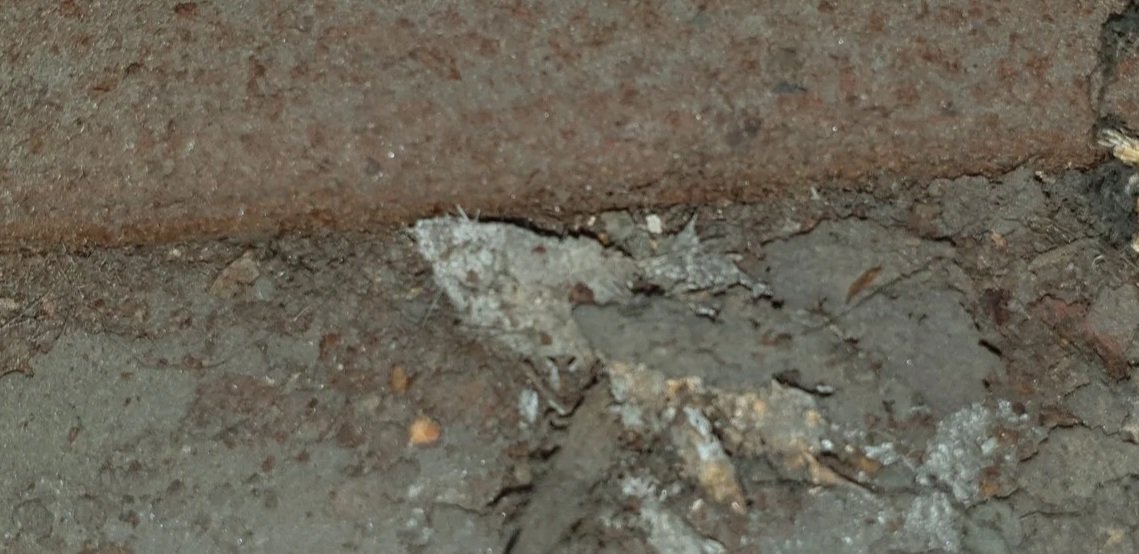
What is asbestos and why is it dangerous?
Asbestos is a naturally occurring fibrous mineral that was widely used in UK buildings because it resisted heat, fire and chemical attack. The danger arises when asbestos-containing materials are damaged or disturbed and respirable fibres become airborne and are inhaled.
Do not drill, sand, cut or break it to find out. If work is underway, stop disturbing the material and choose professional sampling or a survey matched to the wider project.
Asbestos is a group of naturally occurring fibrous minerals
Its fibres are strong, heat resistant and chemically resistant. Those properties made asbestos useful in insulation, fire protection, cement products, boards, flooring, coatings and many other building products—but the fibres can also cause serious disease when inhaled.
Used for protection
Asbestos was added to insulation, fire-resistant boards, sprayed coatings, ropes, textiles, gaskets and heating-related products.
Used in bonded products
Its fibres reinforced products such as asbestos cement sheets, roof panels, flues and other durable building components.
Used throughout buildings
Thermal and acoustic performance made asbestos common around boilers, pipes, ceilings, structural steel and plant.
Chrysotile, amosite and crocidolite
HSE identifies three main asbestos types commonly encountered in UK buildings. Colour names are historical shorthand and should not be used to identify a material visually.
Chrysotile
The most widely used asbestos type in many bonded products, including asbestos cement, floor products, textiles, gaskets and other manufactured materials.
Amosite
Commonly associated with insulating board, thermal insulation and other higher-risk building products used extensively during the 20th century.
Crocidolite
Historically used in some insulation, sprayed coatings, cement products and specialist applications. It is less commonly encountered in later UK building stock.
Blue and brown asbestos were banned in Great Britain in 1985. Manufacture and supply of all asbestos, including chrysotile, was banned by the end of 1999. HSE asbestos overview →
Any building built or refurbished before 2000 may contain asbestos
Asbestos is often hidden behind later finishes or inside the building fabric. Property age can tell you whether asbestos is possible, but it cannot identify which specific materials contain it.
Insulation & fire protection
Pipe and boiler lagging, sprayed coatings, insulating board, ceiling tiles, fire doors and structural fire protection.
Ceilings, walls & floors
Textured coatings, panels, partition boards, floor tiles, adhesives, paper backing and concealed layers.
Roofs & external products
Asbestos cement roof sheets, garage roofs, wall cladding, soffits, flues, gutters and downpipes.
Plant, services & equipment
Gaskets, seals, ropes, flash guards, heater parts, ducts and older industrial or electrical components.
Brownfield & demolition residues
Asbestos fragments can also be encountered in made ground, demolition fill and contaminated soil on previously developed land.
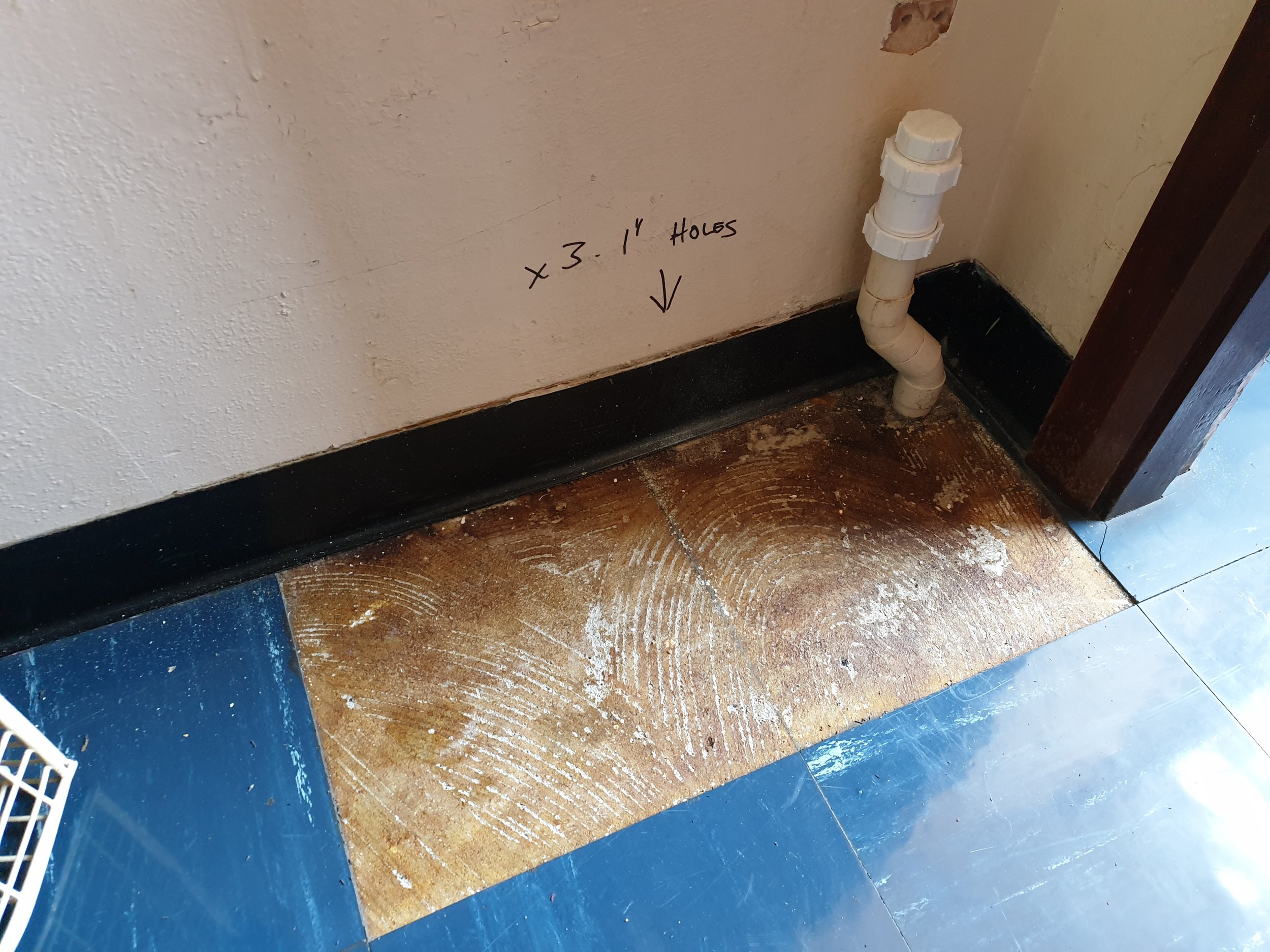
See the ASM asbestos photo gallery → Where asbestos is found in houses →
The risk comes from breathing airborne asbestos fibres
An asbestos-containing material is not the same thing as an exposure. The key change occurs when fibres are released into the air through damage, deterioration or work on the material.
Material is disturbed
Cutting, drilling, sanding, breaking, scraping, demolition or deterioration can release fibres from asbestos-containing materials.
Fibres become airborne
The finest respirable fibres cannot be seen with the naked eye and may remain suspended in the air around the work.
Fibres are inhaled
Respirable fibres can reach deep into the lungs and pleural tissues, where they may cause damage over a long period.
Disease can develop later
Asbestos-related diseases generally have long latency periods, meaning illness may not become apparent until decades after exposure.
Asbestos-related diseases are serious and usually develop years after exposure
HSE reports around 5,000 asbestos-related deaths each year in Great Britain. Most current disease reflects heavy exposures that happened many years ago, but asbestos remains in buildings today and can still expose people when it is disturbed.
Mesothelioma
A cancer affecting the lining of the lungs or abdomen. It is strongly associated with asbestos exposure and usually develops after a long latency period.
Asbestos-related lung cancer
Asbestos exposure increases lung-cancer risk. HSE also notes that smoking and asbestos exposure together substantially increase lung-cancer risk.
Asbestosis
A serious scarring condition of the lung, normally associated with heavy exposure over many years, which can cause progressive breathlessness.
Pleural thickening
Thickening of the lining of the lung can restrict lung expansion and cause breathlessness and chest discomfort.
HSE's current headline estimate of deaths each year in Great Britain from asbestos-related diseases.
HSE's stated range for the time it can take for symptoms of asbestos-related disease to develop after exposure.
Different asbestos products release fibres differently
Risk is affected by the asbestos type, how strongly the fibres are bound into the product, its condition and what is done to it. A photograph can suggest a material category, but laboratory analysis is needed to confirm asbestos content.
Insulation debris
Loose or friable insulation materials can release fibres far more readily than asbestos tightly bound within a cement matrix.
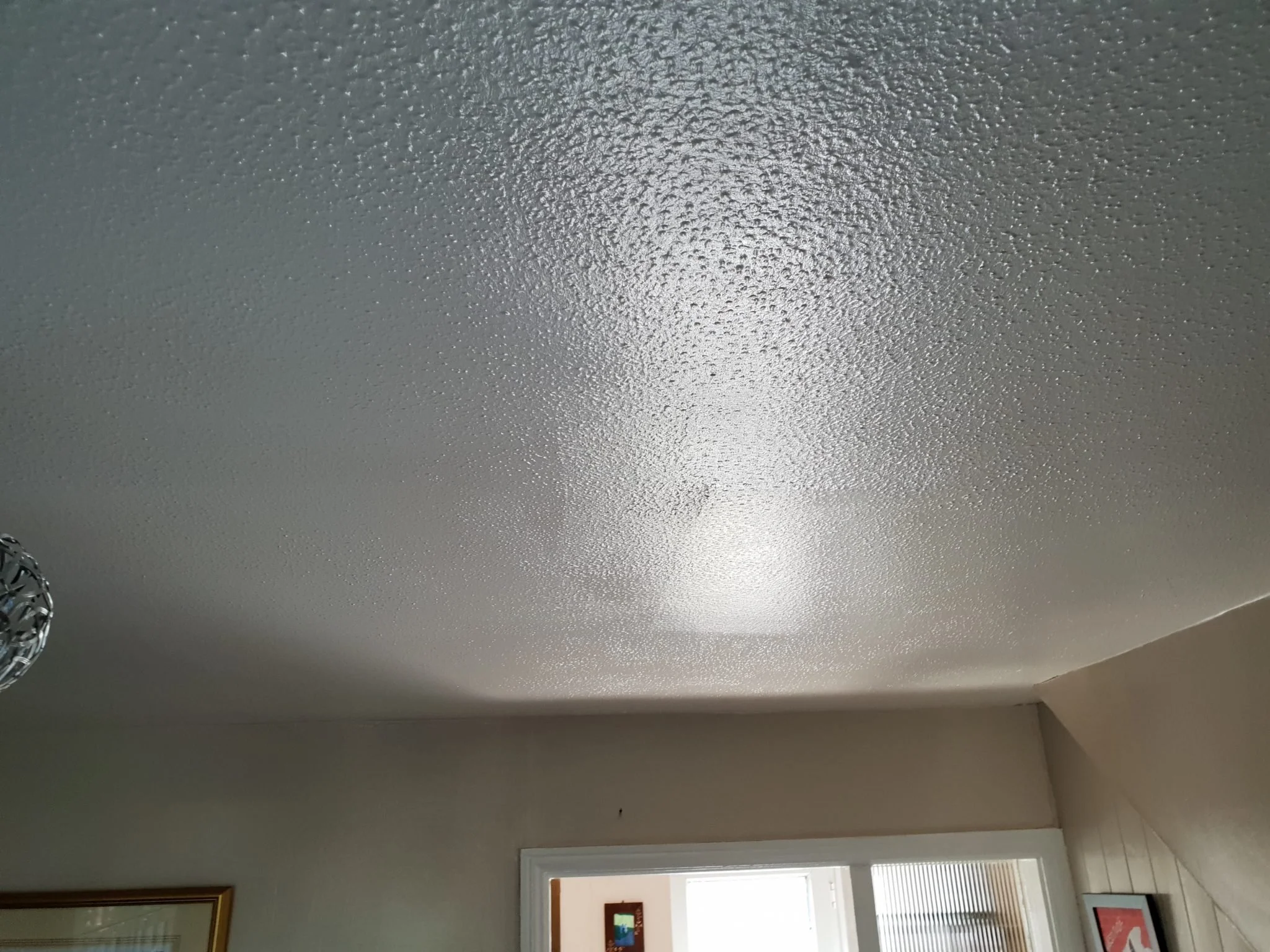
Textured coating
Some older textured coatings contain asbestos. The asbestos content may be relatively low, but disturbance methods still matter.
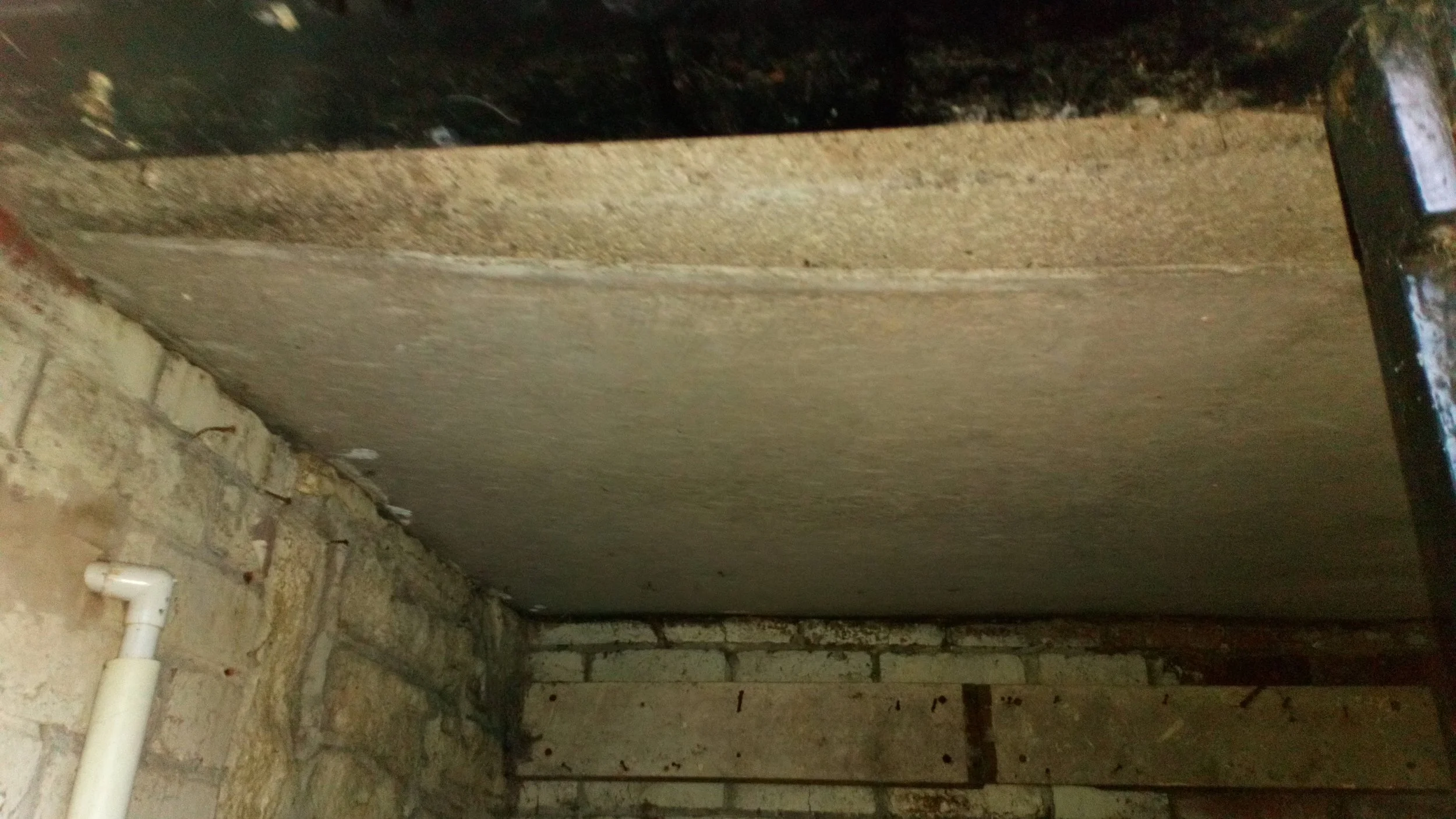
Asbestos cement
Cement products bind fibres comparatively strongly, but sawing, drilling, grinding, breakage and weathering can still release asbestos.
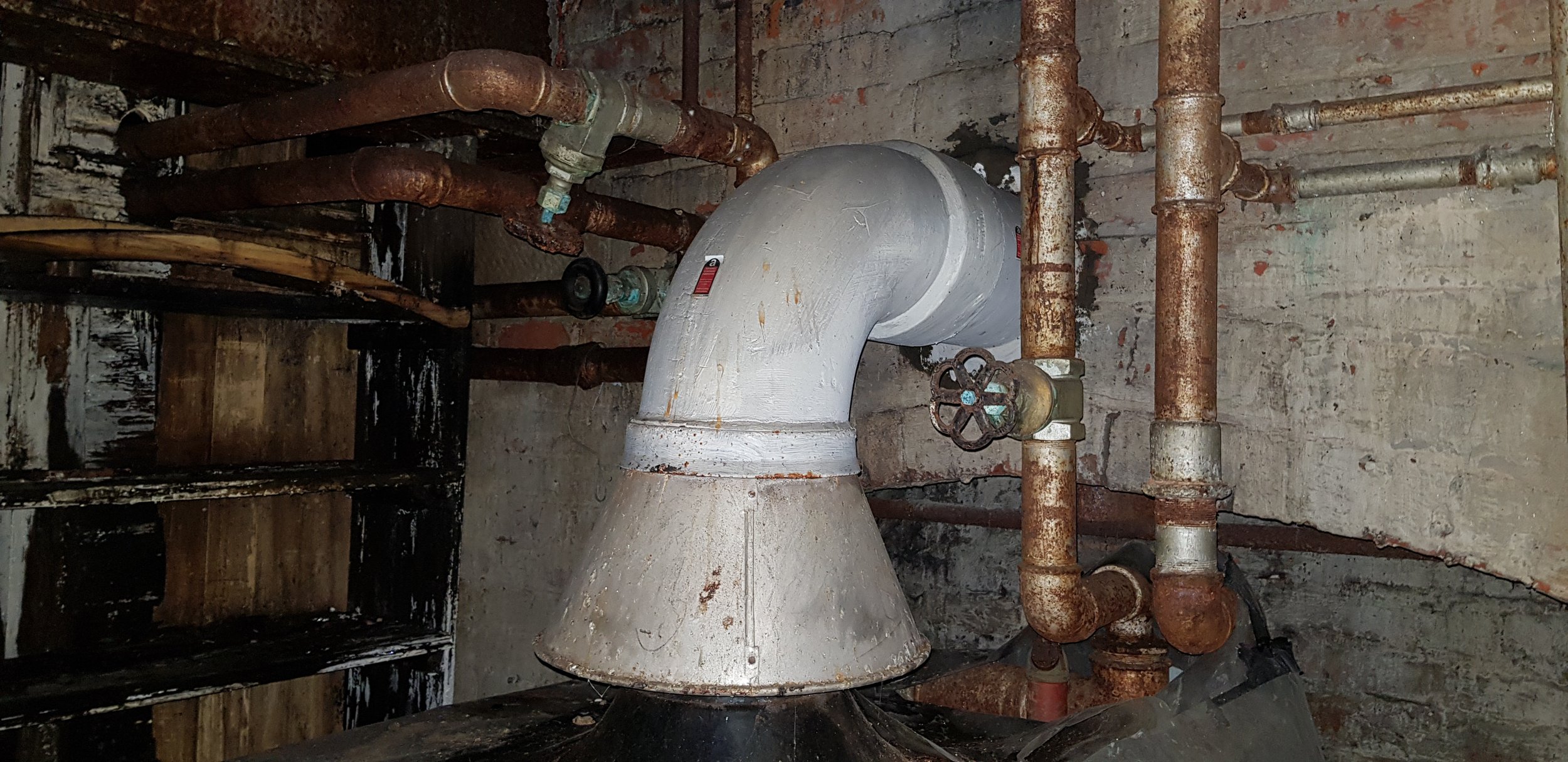
Heating and service products
Older flues, heater components, gaskets, boards and insulation can be encountered when heating or building services are upgraded.
All asbestos exposure should be prevented, but material condition and disturbance change the practical risk
HSE's management approach is based on preventing exposure. An intact ACM that is protected and unlikely to be disturbed can present a much lower immediate exposure risk than damaged friable insulation or a material being cut with power tools.
Intact and undisturbed
A sound material may sometimes remain in place where it can be managed, labelled or recorded and protected from foreseeable disturbance.
Damaged or deteriorating
Cracking, debris, abrasion, water damage, delamination or repeated access can increase the likelihood of fibres being released.
Cutting, sanding or demolition
Mechanical work can generate much higher airborne fibre levels and may change the work category, controls and contractor requirements.
Choose the route that answers the actual question
One suspect material
Use professional sampling where the decision genuinely concerns one or a few specific accessible materials.
Whole building or normal use
Use a suitable asbestos survey where wider information, a register or management decisions are needed.
Refurbishment or demolition
Use an intrusive survey matched to the exact work boundary before building fabric is broken into or removed.
Confirmed asbestos
Decide whether to manage, protect, repair, encapsulate or remove the material based on condition, accessibility and planned disturbance.
Homeowner or landlord?
A private owner-occupied home does not automatically need a Management Survey simply because it is old. The need for information becomes particularly important before DIY, renovation or contractor work that could disturb suspect materials.
Dutyholder, employer or contractor?
For non-domestic premises and work activities, the Control of Asbestos Regulations 2012 create specific duties to identify, manage and prevent exposure. Employers must ensure the asbestos information is sufficient before work starts.
Planning work in a building constructed or refurbished before 2000?
Send the postcode, building type, planned work and any existing asbestos information. ASM can direct the enquiry to sampling, Management, Refurbishment, Demolition or Reinspection Survey routes.
From identifying asbestos to managing the next step
Related ASM guides
National coverage with local asbestos service pages
Use the national pages for technical guidance and choose a local service hub when you are ready to arrange attendance.
What is asbestos and why is it dangerous? FAQs
What exactly is asbestos?
Why is asbestos dangerous?
What diseases can asbestos cause?
How long after asbestos exposure can illness develop?
Is asbestos dangerous if it is not disturbed?
What year was asbestos banned in the UK?
Can I identify asbestos by looking at it?
What should I do if I unexpectedly find suspect asbestos?
Do all asbestos materials need to be removed?
Need to know whether asbestos affects your property or project?
Send the postcode, building type, approximate age, planned work, any existing asbestos information and photographs of suspect materials where safe to obtain. ASM can direct you to professional sampling, the correct survey type, management support or removal.