Does My House Have Asbestos? Find Out Now
Does my house have asbestos?
If your home, flat, garage or extension was built or refurbished before 2000, asbestos may still be present in ceilings, flooring, soffits, garage roofs, service cupboards, boards, flues and other building materials. Property age is a warning sign—not proof. The right next step depends on what you are planning to do.
Check the material before you disturb it. One suspect item may only need professional sampling; wider or intrusive renovation may need a properly scoped asbestos survey.
Was the house or the part you are working on built or refurbished before 2000?
HSE uses 2000 as the practical cut-off. Asbestos can be present in domestic and commercial buildings built or refurbished before 2000; buildings constructed after 2000 are unlikely to contain it.
Asbestos may be present
Do not rely on appearance or house age alone. Consider ceilings, floors, heating systems, panels, soffits, garages and later alterations.
Check retained building fabric
A Victorian or Edwardian home can contain asbestos added during 20th-century heating, flooring, ceiling, garage or extension work.
Asbestos is unlikely
Still check whether the property incorporates older retained walls, garages, outbuildings, basements, equipment or parts of an earlier building.
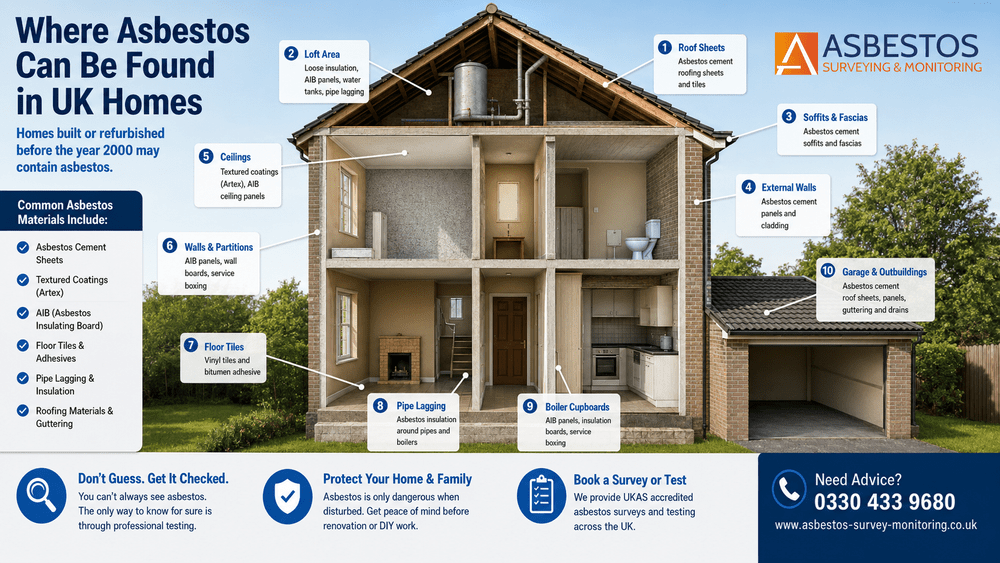
Common places asbestos can be found in UK homes
This ASM house image is retained because it gives a useful whole-property view. It is a guide to likely locations only: photographs and appearance cannot confirm whether a specific material contains asbestos.
Ceilings & walls
Textured coatings, AIB panels, ceiling tiles, boxing, service risers and fire-resistant linings.
Floors
Vinyl or thermoplastic floor tiles, bitumen adhesive and asbestos paper backing to older coverings.
Heating & services
Pipe insulation, boiler or heater components, flues, gaskets, heat-resistant boards and service cupboards.
Outside & outbuildings
Garage roofs, cement sheets, soffits, fascias, wall panels, gutters, downpipes and flues.
Open the full room-by-room asbestos guide → HSE residential asbestos diagrams →
Relevant materials you may find around a house
These photographs from the existing ASM content are retained as practical examples. Similar-looking products can be asbestos-free, so use them to recognise a reason to investigate—not as a visual diagnosis.
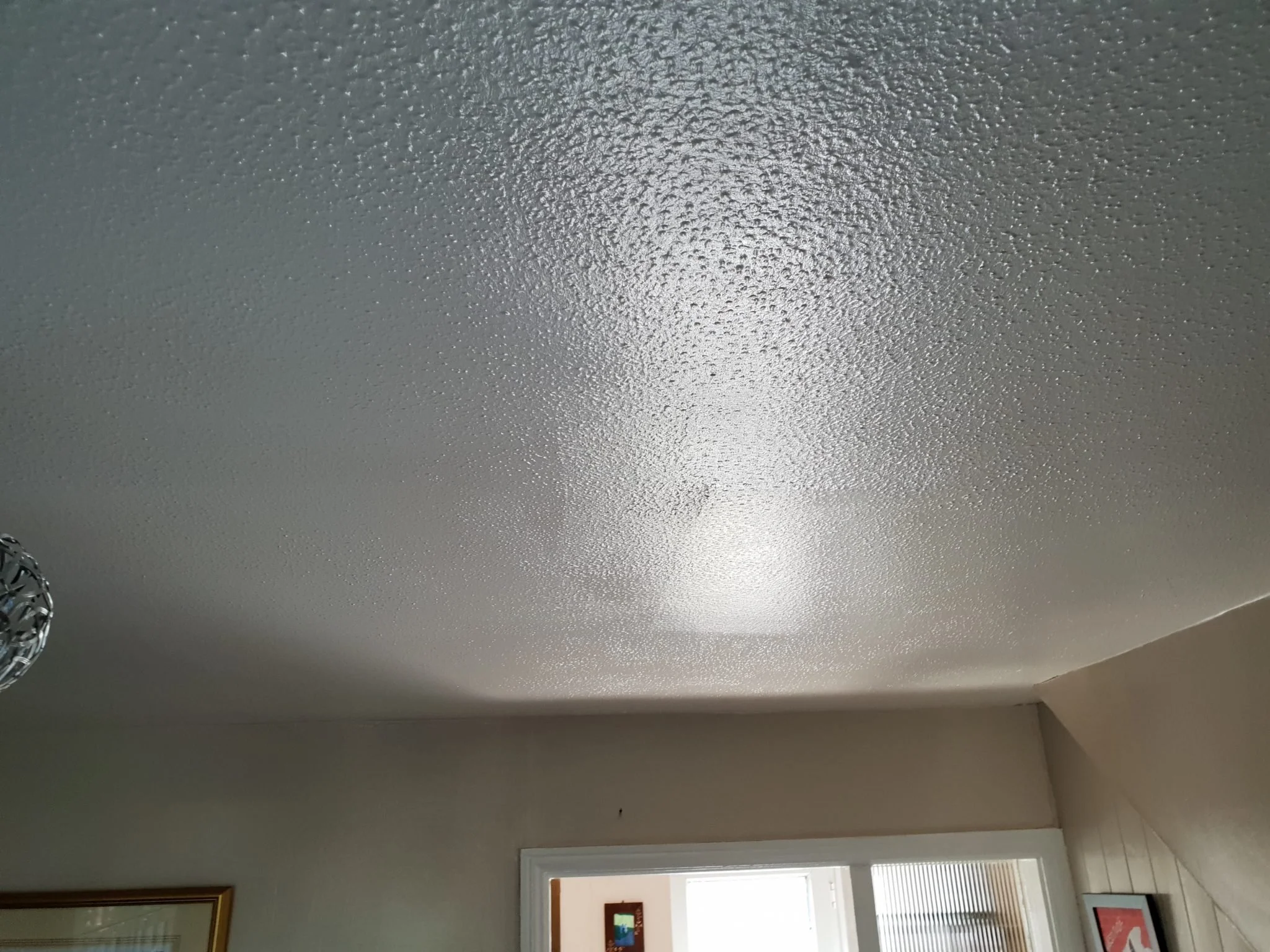
Textured coating / Artex
Some older textured coatings contain asbestos. Pattern and appearance cannot confirm whether asbestos is present.
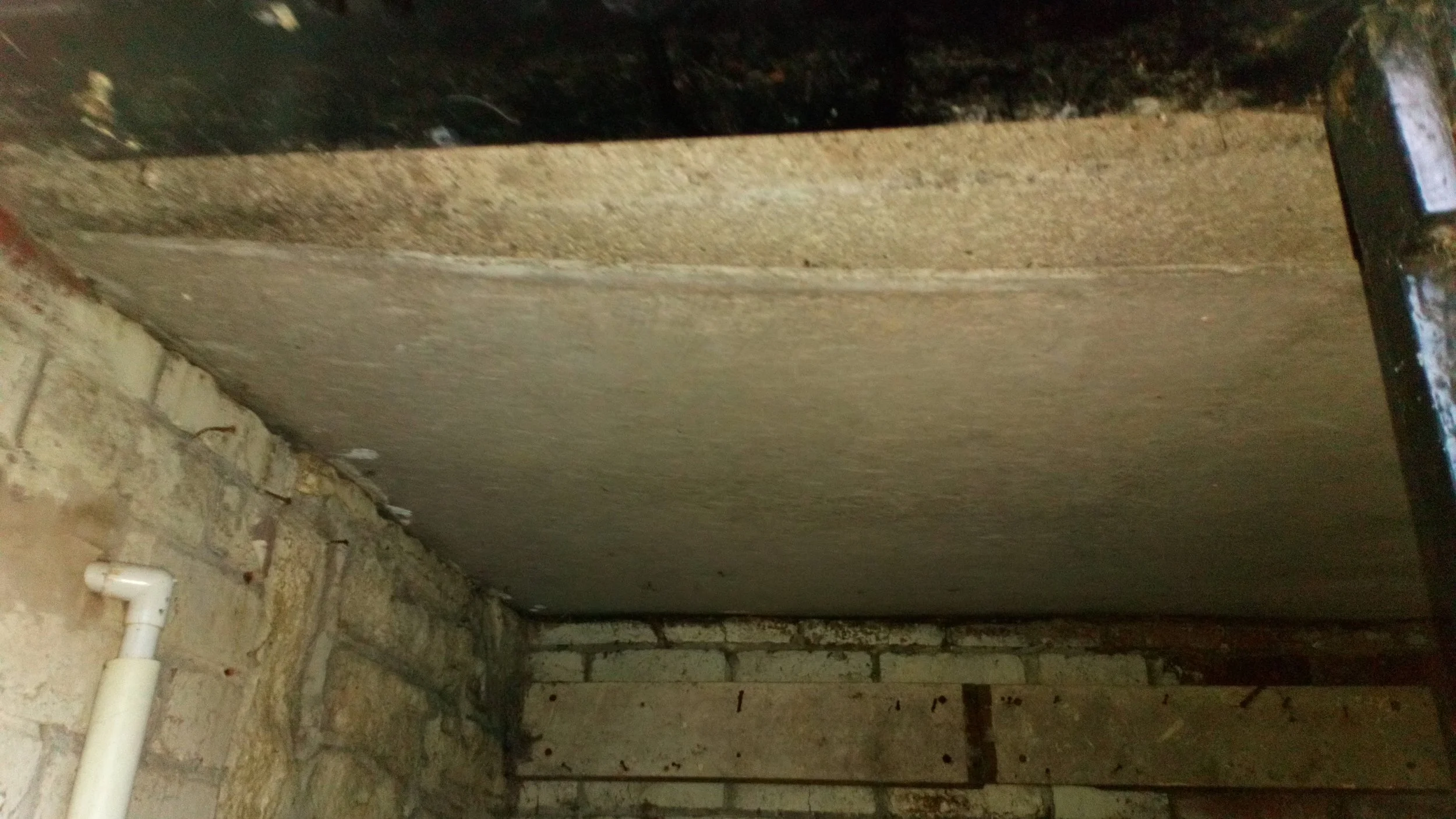
Soffits and external boards
Asbestos cement and AIB can both occur externally. The material type matters because the work controls can be very different.
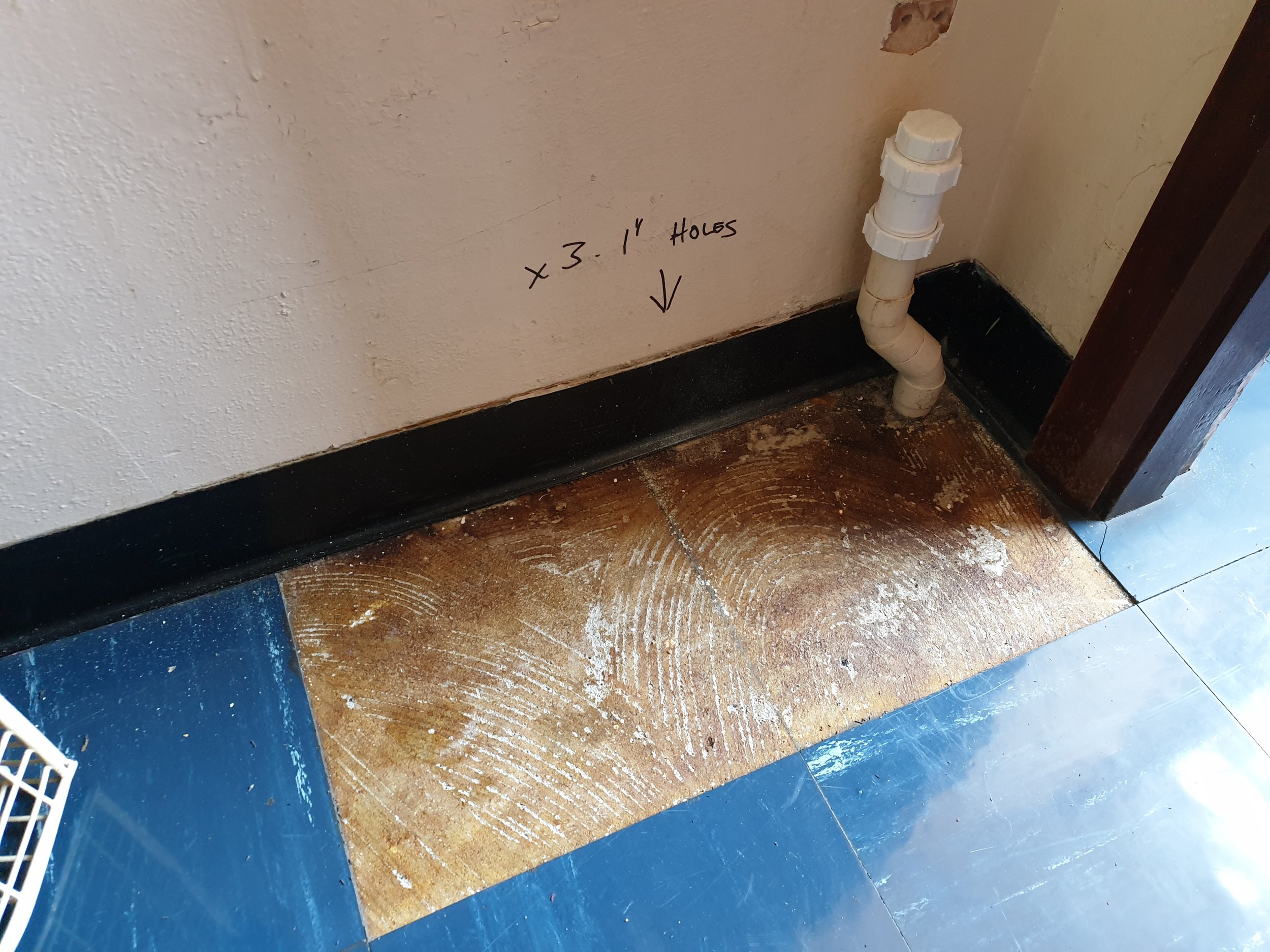
Floor tiles and adhesive
Older tiles, bitumen adhesive and hidden paper backing may contain asbestos and can be exposed during kitchen, bathroom or flooring work.
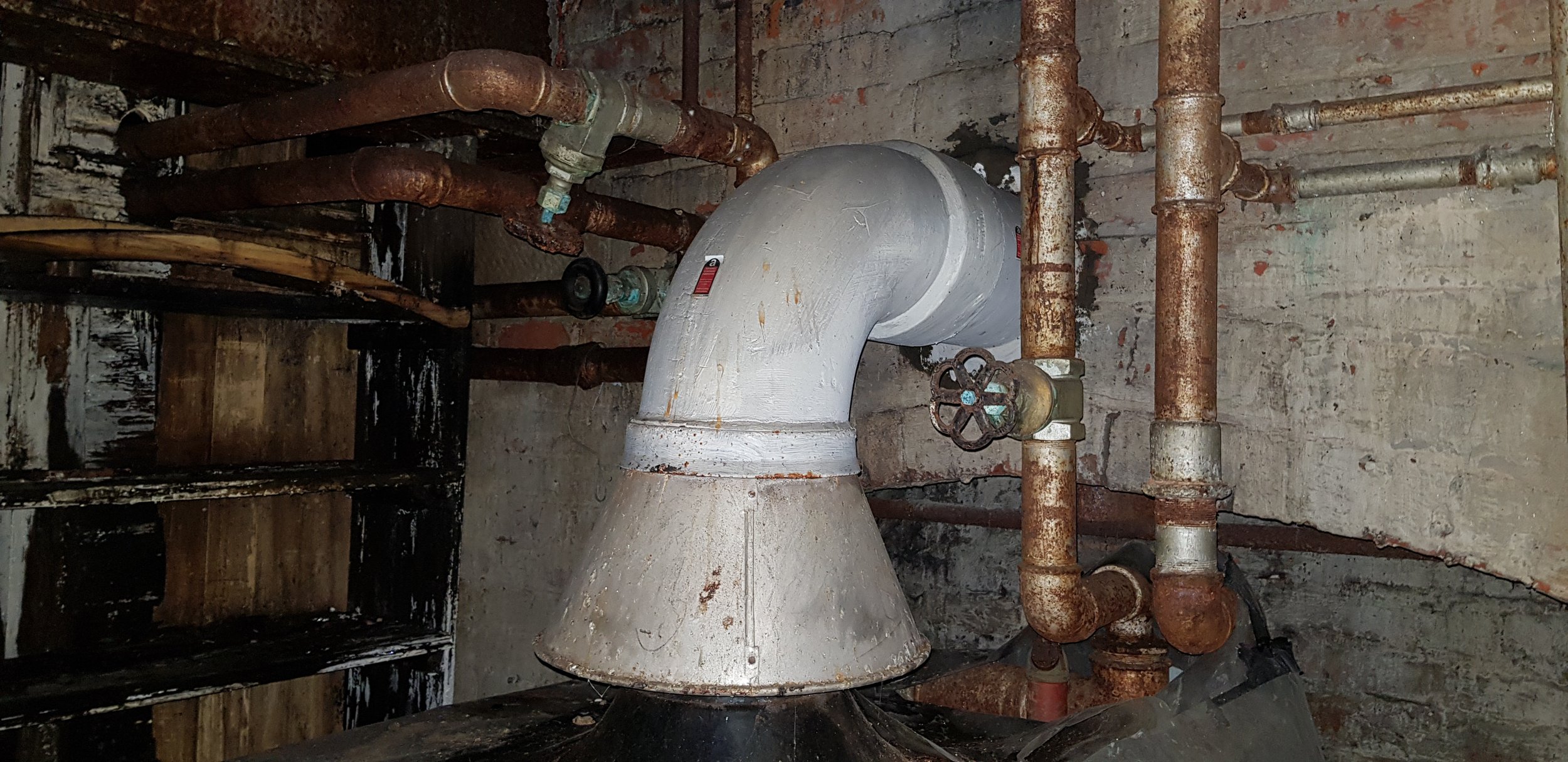
Heating and flue products
Older boiler cupboards, flues, heat-resistant panels and service components are important to check before heating upgrades.
Is asbestos in a house automatically dangerous?
No. HSE explains that asbestos in good condition and left undisturbed presents an extremely low exposure risk. The concern increases when material is damaged or work releases fibres into the air.
Lower immediate risk
Sound material that is protected, not deteriorating and unlikely to be disturbed can sometimes remain in place. Finding asbestos does not automatically mean the house is unsafe or that every ACM needs removal.
Higher disturbance risk
Drilling, cutting, sanding, scraping, breaking, lifting flooring, removing ceilings, opening service boxing and demolition can release fibres if the material contains asbestos.
Do you need sampling or a full asbestos survey?
One suspect material
A single ceiling coating, floor tile, board or roof sheet may only need professional sampling and laboratory analysis.
Several areas
If you want wider information about the house, a survey is usually more useful than testing isolated items one by one.
Renovation planned
Where work will disturb walls, ceilings, floors, services or concealed construction, the inspection must match that exact work area.
Demolition planned
Full or partial demolition requires a sufficiently intrusive survey of the defined demolition boundary before structural work proceeds.
Check asbestos before contractors break into pre-2000 building fabric
A private homeowner does not automatically need to hold a Management Survey simply because a house is old. The question changes when work is being carried out: contractors and employers need suitable asbestos information before work that could disturb suspect materials.
Send the work scope before the builders start
If you have drawings, room lists, photographs or an existing asbestos report, send them with the postcode. ASM can advise whether targeted sampling is enough or whether the project needs a Refurbishment Survey.
What happens if asbestos is found in the house?
The right response depends on material type, condition, location and future disturbance. A positive result does not automatically mean immediate removal.
Manage it in place
Sound material that will remain undisturbed may sometimes stay in place where it can be protected and future work will not affect it.
Reduce future disturbance
Some materials can be sealed, enclosed or protected where this provides an appropriate long-term control.
Remove before conflicting work
Removal may be appropriate where the ACM is damaged, vulnerable or will be disturbed by planned refurbishment or demolition.
Stop disturbing suspect material and get advice before cleaning it
Do not keep drilling, scraping or breaking the material. Avoid sweeping dust or using a domestic vacuum. Restrict unnecessary access and obtain competent advice on identification and any cleaning or removal required.
Do not buy a whole survey if one sample answers the question
Sampling
Use targeted professional collection when the issue is genuinely one or a few specific materials.
Survey
Use a wider survey where several areas need checking or you need a structured report for the house.
Removal
Removal cost depends on material, quantity, access, condition, work classification and waste requirements.
Find the answer for your property
Does my house have asbestos? FAQs
What year houses are likely to contain asbestos?
Can a Victorian or Edwardian house contain asbestos?
Can a house built in the 1990s contain asbestos?
Can I tell whether something is asbestos from a photograph?
Does all Artex contain asbestos?
Do I need an asbestos survey just because my house is old?
Do I need sampling or a full survey?
Does finding asbestos mean it must be removed?
Unsure whether your house contains asbestos?
Send the postcode, approximate property age, photographs of the suspect material where safe, its location and details of any planned work. ASM can advise whether targeted sampling or a wider asbestos survey is the right next step.