Contaminated-land support · Middlesbrough and Tees Valley
Asbestos in soil Middlesbrough and Tees Valley
Risk-based support from the first suspect fragment through investigation, watching briefs, air monitoring, controlled remediation, capping and documented validation.
Choose the service that matches the site and planned work. Explore the complete Middlesbrough asbestos-services cluster below.
A staged response to asbestos in made ground
The correct combination of investigation, controls and remediation depends on the site conceptual model and intended work.
Investigation planning
Review known finds, site history, proposed earthworks and potential exposure pathways.
Watching brief
Competent observation with defined stop-work, isolation and hotspot-escalation arrangements.
Control and monitoring
Suppression, controlled handling, suitable RPE/PPE, hygiene and task-appropriate air monitoring.
Remediation and validation
Picking, segregation, excavation, capping or other agreed measures with documented completion.
Specialist support for former industrial land
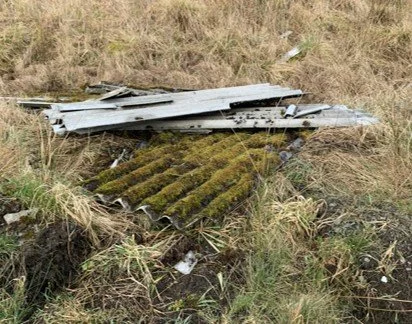
Former industrial, demolition and infilled sites can contain sporadic asbestos cement fragments or localised hotspots. ASM can support environmental consultants, developers and contractors without treating every discovery as the same problem.
- Desktop and existing-data review
- Watching briefs and stop-work arrangements
- Task-specific air-monitoring strategy
- Remediation support and validation records
From discovery to documented outcome
- 1
Review the evidence
Assess site history, investigation data, known finds and proposed ground disturbance.
- 2
Plan the controls
Define the watching brief, suppression, PPE/RPE, hygiene, monitoring and stop-work procedures.
- 3
Support the earthworks
Observe work, identify suspect materials and escalate hotspots or unexpected conditions.
- 4
Validate the outcome
Document asbestos-related observations, monitoring, controls and agreed remediation measures.
Asbestos-in-soil support across Tees Valley
Industrial history
Made ground around former process, engineering and demolition sites may contain sporadic asbestos fragments or localised hotspots.
Redevelopment
Earthworks can change the exposure pathway, so asbestos controls should connect with the remediation and construction programme.
Documented controls
Watching briefs, stop-work rules, air monitoring, waste decisions and validation require a defined project record.
What to send for an accurate written scope
- Site history and previous investigation data
- Plans showing known finds and proposed earthworks
- Photographs and descriptions of suspect fragments
- Proposed remediation and material movement
- Programme, receptors and neighbouring land uses
- Required watching brief, monitoring or validation output
One soil sample rarely defines the whole asbestos risk. Site history, asbestos form, distribution, intended earthworks, exposure potential, waste status and future land use must be considered together.
Tees Valley work coordinated from Sunderland headquarters
ASM’s North East team supports contaminated-land and groundworks projects across Middlesbrough and the wider Tees Valley.
Asbestos Surveying & Monitoring Ltd
9 Defender Court
Sunderland Enterprise Park
Sunderland
SR5 3PE
0191 481 2231
survey@asbestosSM.co.uk
0330 433 9680
Monday–Friday, 08:00–18:00
Middlesbrough and Tees Valley coverage
Middlesbrough, Stockton-on-Tees, Thornaby, Billingham, Redcar, South Bank, Grangetown, Eston, Guisborough, Hartlepool, Yarm, Ingleby Barwick and surrounding industrial and development areas.
Supporting accredited services
ASM is UKAS accredited under number 32982 for defined inspection activities to ISO/IEC 17020 and defined testing activities to ISO/IEC 17025. Current UKAS schedules define the precise accredited scope.
Continue from this page
Tees Valley asbestos-in-soil FAQs
What happens if asbestos cement is found in soil?
Stop disturbing the affected area, prevent unnecessary access and have the find assessed. The response may range from controlled picking and segregation to targeted excavation, capping or wider remediation.
Does low air-monitoring data mean no controls are needed?
No. Results relate to the sampled activity and conditions. Suitable suppression, RPE/PPE, hygiene, watching brief, stop-work and material controls may still be required.
Can asbestos-affected soil remain on site?
Sometimes, where the remediation strategy, risk assessment, planning and regulatory requirements support safe retention under an appropriate cover system and long-term management arrangements.
Does ASM provide validation reports?
ASM can document asbestos-related observations, monitoring, completed controls and agreed remediation outcomes within the commissioned scope.
Discuss the groundworks before disturbance starts
Send the site history, investigation data, earthworks plan, material findings and proposed remediation strategy.
Need one of our other asbestos services in Middlesbrough today?