Demolition asbestos survey · Middlesbrough and Tees Valley
Demolition asbestos survey Middlesbrough
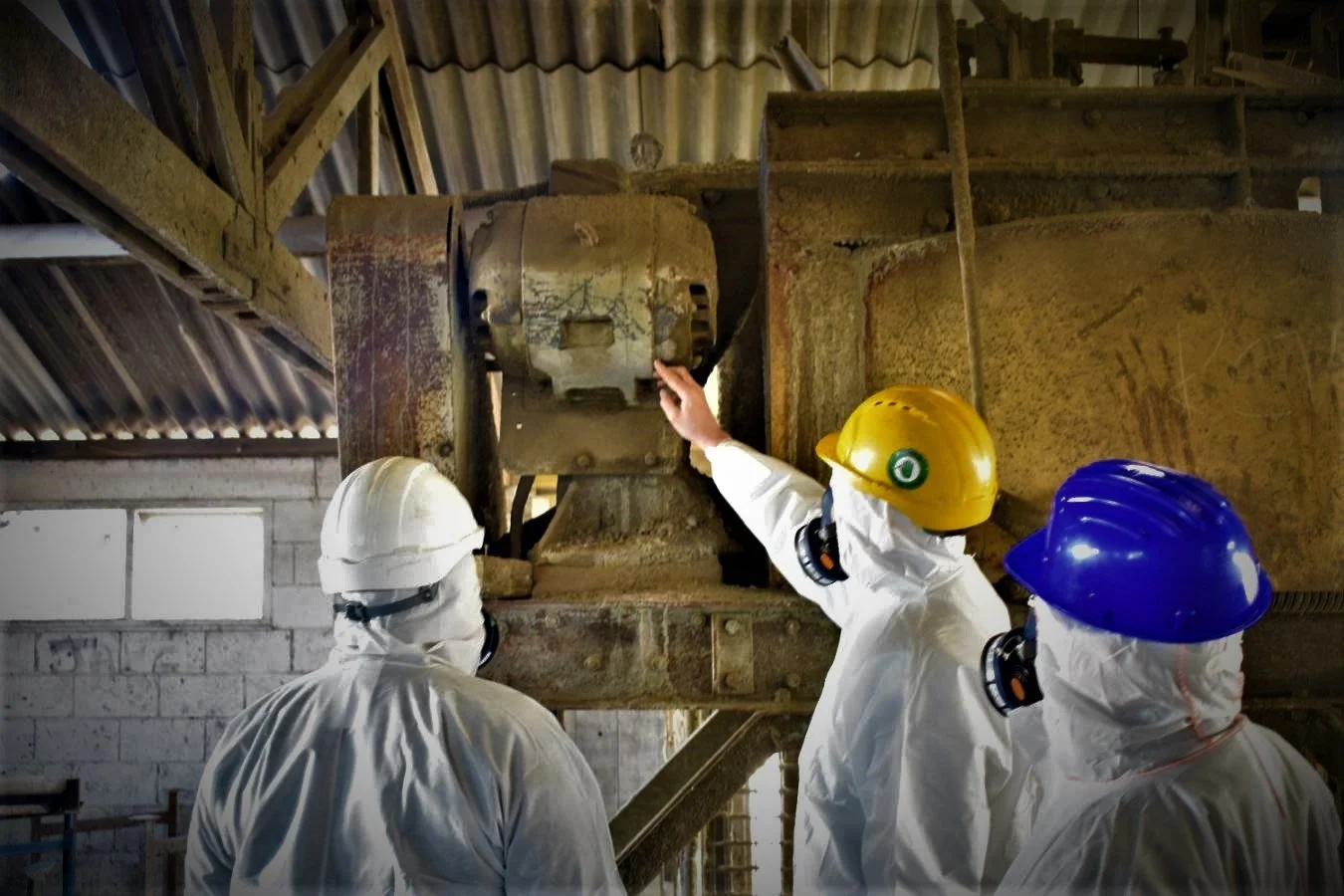
Fully intrusive inspection for buildings or defined parts scheduled for demolition, helping identify asbestos before demolition, soft-strip and removal programmes are finalised.
Choose the service that matches the building and planned work. Use the connected Middlesbrough pages for survey, testing, management, removal and analytical guidance.
What the survey information supports
A well-scoped report allows asbestos work to be separated from general demolition risk.
Tendering
Define ACM locations and likely removal packages before contractor pricing.
Sequencing
Plan enabling works, isolations, licensed removal and analytical stages.
Waste control
Separate hazardous asbestos waste from general demolition arisings.
Handover
Record completed removal, remaining limitations and soil-related follow-on needs.
Particularly relevant to Tees Valley regeneration
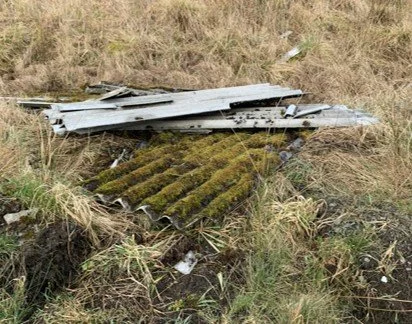
Former industrial premises, warehouses, workshops, redundant commercial buildings and brownfield sites may contain multiple ACMs within the structure, plant, services and historical alterations.
- Full or clearly defined demolition boundary
- Intrusive inspection of concealed areas
- Coordination with structural and service information
- Removal and waste planning before demolition
Demolition survey route
Resolve access and safety constraints before relying on the report.
- 1
Send project details
Provide the address, plans, demolition boundary and existing asbestos information.
- 2
Resolve access
Confirm service isolation, structural safety and areas requiring specialist access.
- 3
Complete the survey
Undertake intrusive inspection throughout the agreed demolition scope.
- 4
Plan asbestos work
Use the findings for removal, waste, analytical and demolition sequencing.
Demolition surveys for local property and redevelopment
Commercial buildings
Redundant shops, offices, depots and mixed-use buildings scheduled for clearance.
Industrial premises
Factories, workshops, warehouses, plant rooms and engineering facilities.
Brownfield redevelopment
Building surveys should connect with separate asbestos-in-soil and made-ground assessments where relevant.
Information required before quotation
- Full address and demolition boundary
- Plans and structural information
- Existing asbestos reports
- Service-isolation status
- Unsafe or inaccessible areas
- Programme and reporting deadline
Demolition Surveys require unrestricted access wherever reasonably practicable. Services, structural risk, unsafe areas and excluded spaces must be resolved or clearly recorded before the report is relied upon.
Tees Valley work coordinated from Sunderland headquarters
Asbestos Surveying & Monitoring Ltd
9 Defender Court
Sunderland Enterprise Park
Sunderland
SR5 3PE
0191 481 2231
survey@asbestosSM.co.uk
0330 433 9680
Monday–Friday, 08:00–18:00
Middlesbrough and Tees Valley coverage
Middlesbrough, Linthorpe, Acklam, Marton, Eston, South Bank, Grangetown, Thornaby, Stockton-on-Tees, Billingham, Redcar, Guisborough, Hartlepool and surrounding areas.
Accredited capability
ASM is UKAS accredited under number 32982 for defined inspection activities to ISO/IEC 17020 and testing activities to ISO/IEC 17025.
Continue from this page
Demolition Survey FAQs
Is a Demolition Asbestos Survey legally required?
A suitable survey is needed before demolition where asbestos may be present so ACMs can be identified and managed before the structure is broken apart.
How intrusive is the survey?
It is normally the most intrusive survey type and aims to inspect all areas within the demolition scope, subject to safety constraints.
Can demolition start immediately after the report?
Not necessarily. Identified ACMs may require removal, waste arrangements, isolation and analytical support first.
Does the survey include asbestos in soil?
A building Demolition Survey does not automatically investigate made ground. Soil risks require a separate scope.
Plan asbestos before demolition mobilisation
Send the demolition drawings, building information, structural constraints, service status and programme.
Need one of our other asbestos services in Middlesbrough today?