

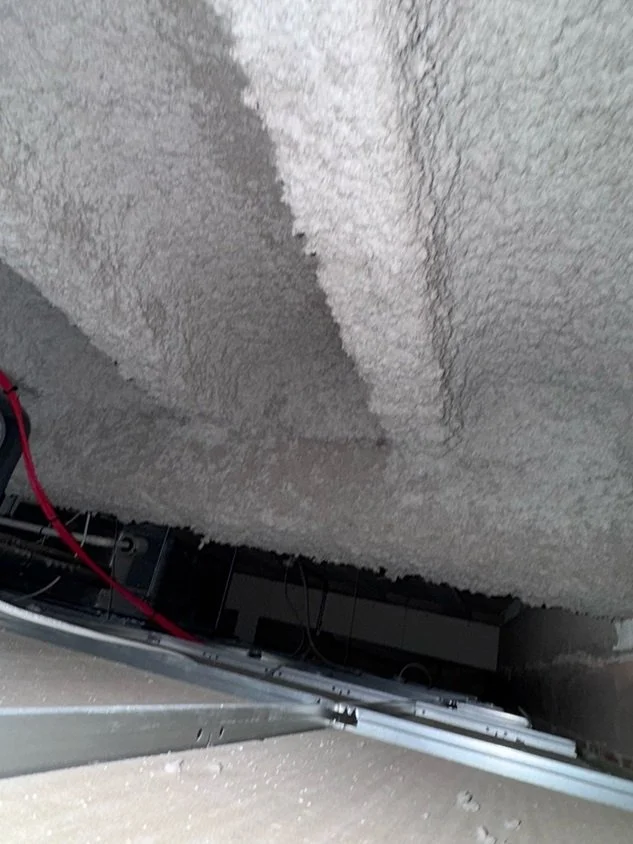
Demolition Asbestos Surveys in Stirling
ASM provides demolition asbestos surveys in stirling with regional delivery coordinated through the Glasgow and Edinburgh teams under James Brown, Regional Manager Scotland. Coverage includes Stirling, Bridge of Allan, Dunblane, Alloa, Falkirk, Grangemouth and wider Central Scotland.
Partial demolition, retained facades, linked structures, basements, live services and adjacent buildings can all change what must be inspected.
The survey must follow the structure that will actually be demolished
A Demolition Survey is more intrusive than a Management Survey because hidden materials throughout the demolition boundary need to be identified so far as reasonably practicable.
Full or partial demolition
Define exactly what will be removed and what remains, including linked structures and interfaces.
Hidden construction
Investigate voids, floors, roofs, linings, risers, plant and concealed materials throughout the boundary.
Safe access first
Vacancy, isolation, structural advice, access equipment and specialist opening-up may be needed before full inspection.
Demolition sequence
Use findings to plan asbestos removal, soft strip, enabling works, temporary works and main demolition safely.
Building asbestos and made-ground asbestos are separate scopes
Standing structure
The Demolition Survey addresses the agreed building and demolition boundary.
Brownfield ground
Former industrial land may also require a separate asbestos-in-soils strategy for made ground, demolition residues or unexpected fragments.
From enquiry to a usable outcome
Define the boundary
Review demolition drawings, retained structures, basements, party walls, services and adjoining areas.
Prepare access
Plan vacancy, isolations, structural constraints and specialist access.
Inspect thoroughly
Investigate the demolition area and record genuine restrictions affecting reliance.
Plan the sequence
Coordinate asbestos action with enabling, soft-strip and demolition programmes.
Demolition survey planning for redevelopment and industrial sites
Coverage includes Stirling City Centre, Old Town, Kings Park, Bridge of Allan, Causewayhead, Cambusbarron, Bannockburn, Torbrex, Raploch, Cornton, Cambuskenneth, Dunblane, Doune and Callander, with wider attendance across Alloa, Clackmannanshire, Falkirk, Grangemouth, Larbert, Denny, Cumbernauld, Crieff and surrounding Central Scotland subject to scope and availability.
Partial demolition & retained structures
Stirling redevelopment can involve retained facades, adjoining buildings, basements and service interfaces that must be defined before the survey.
Vacant and former commercial property
Empty shops, offices, hospitality buildings and public property can require thorough intrusive access before strip-out or demolition.
Industrial and brownfield interfaces
Falkirk, Grangemouth and wider Central Scotland demolition can require separate but coordinated consideration of standing-building asbestos and made-ground risks.
Stirling support through Glasgow and Edinburgh under James Brown
Stirling is a regional service area rather than a separate ASM office. Projects are coordinated through ASM's Scottish office network, with the delivery team selected according to location, programme and technical need.
James Brown · Regional Manager Scotland
Stirling and Central Scotland work is supported by ASM's Scotland team under James Brown, drawing on Glasgow and Edinburgh resources. UKAS-accredited bulk asbestos identification is undertaken at ASM's Sunderland Head Office laboratory within the applicable testing scope.
Stirling asbestos services and supporting routes
Stirling delivery support through ASM's Scottish offices
Demolition Asbestos Surveys in Stirling FAQs
When is a Demolition Survey needed?
Is a Demolition Survey destructive?
Can I use an old Management Survey?
What about partial demolition?
Can soil risks be included?
Who is ASM's Regional Manager Scotland?
Does ASM have a separate office in Stirling?
Where are Stirling asbestos samples analysed?
Send the Stirling project details
Provide the full address or postcode, property or site type, reason for the enquiry, proposed works, existing asbestos information, photographs or drawings where available, access restrictions and required dates.