

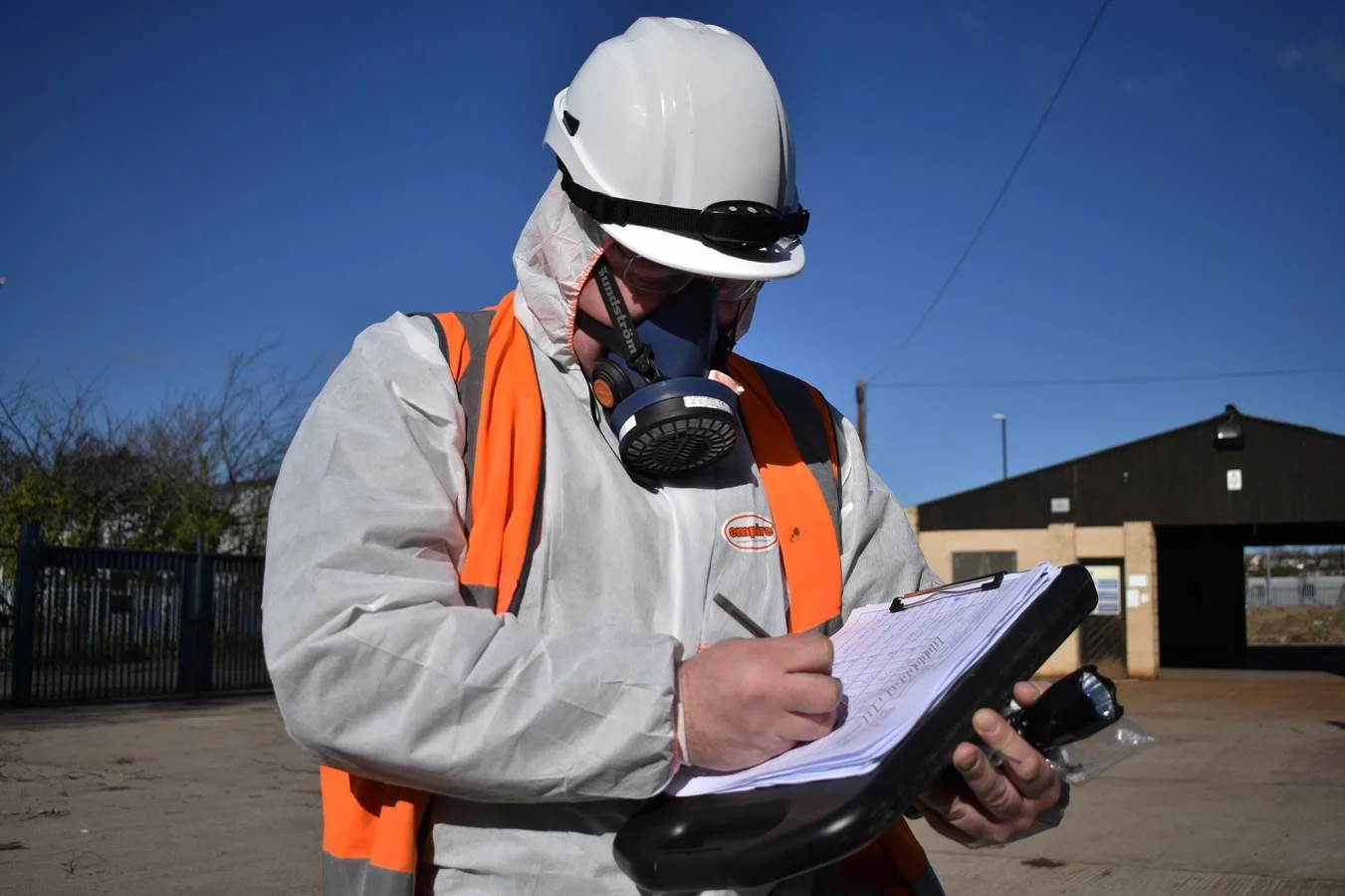
Demolition Asbestos Survey Durham — intrusive information before the structure is broken apart
A Demolition Asbestos Survey is designed to locate asbestos-containing materials throughout the defined demolition scope so they can be planned for before structural breaking, soft strip and demolition. It is more intrusive than a Management Survey and should be coordinated with vacancy, isolations and safe destructive access.
What a demolition survey brief needs to define
The survey boundary must match what will actually be demolished. Partial demolition, retained structures and phased schemes need especially clear drawings so the report is not misunderstood by the demolition team.
Full or partial demolition?
Mark the structures, elevations, floors, extensions, plant areas and interfaces that will be demolished and identify anything that must remain.
Send demolition scopePrepare for destructive inspection
Agree vacancy, isolations, enabling works, access equipment and destructive opening required to reach concealed building fabric safely.
Plan inspectionReview previous information
Provide Management Surveys, refurbishment reports, sample results and building plans so known asbestos and previous restrictions can be checked rather than duplicated blindly.
Survey routesPlan asbestos removal
Use the findings to programme removal, analytical support, waste routes and demolition sequencing before the structure is disturbed.
Removal planningDurham demolition and redevelopment context
County Durham includes historic property, former industrial land, redundant commercial buildings and mixed-age estates. The demolition survey and any contaminated-ground assessment should remain separate but coordinated workstreams.
Former industrial & coalfield sites
Older workshops, depots and redundant buildings may contain legacy ACMs in structure, plant and services. Demolition residues or made ground can require a separate asbestos-in-soils strategy after the building survey stage.
Urban regeneration
Partial strip-out, façade retention and mixed old/new structures need boundaries drawn carefully so retained areas are not confused with demolition zones.
Public & commercial estates
Out-of-use schools, healthcare buildings, offices and industrial premises may require phased access, service isolations and coordination with security or facilities teams before intrusive survey work.
Rural & agricultural buildings
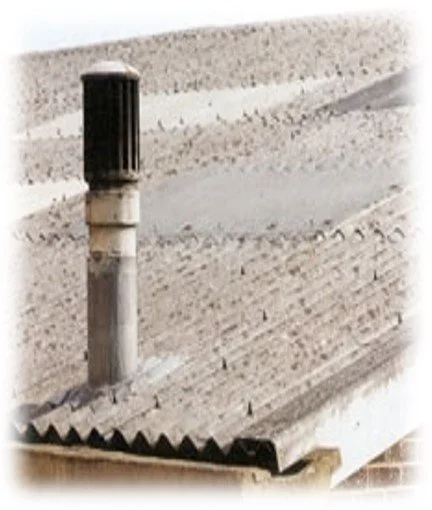
Older farm and storage buildings can include asbestos cement roofs and wall sheets alongside other materials. Fragile-roof and high-level access risks should be assessed separately from asbestos identification.

A clear Durham project route
Give the team enough information to define the correct scope before attendance or pricing. That reduces duplicated surveys, unclear exclusions and delays when work starts.
Tell us the decision
Occupation, one suspect material, refurbishment, demolition, confirmed asbestos, air evidence or ground disturbance.
Send the evidence
Address, photographs, plans, previous reports, dimensions, proposed works, access limits and required dates.
Confirm the scope
Receive a written quotation describing inclusions, assumptions, access, analytical needs, outputs and exclusions.
Use the result
Manage, design, tender, remove, remediate or progress the next controlled project stage using the resulting evidence.
Durham support coordinated through ASM’s Sunderland headquarters
Durham projects are delivered by ASM’s North East team and coordinated through the Sunderland headquarters. UKAS-accredited bulk-analysis laboratory services are based at Sunderland HQ; there is no separate Durham laboratory.
ASM Sunderland Headquarters
9 Defender Court
Sunderland Enterprise Park
Sunderland
SR5 3PE
Monday–Friday · 08:00–18:00
UKAS accreditation no. 32982
Durham & County Durham coverage
Durham City Centre, Gilesgate, Belmont, Framwellgate Moor, Newton Hall, Neville’s Cross, Shincliffe, Bowburn, Coxhoe, Brandon, Meadowfield, Langley Moor, Chester-le-Street, Stanley, Consett, Crook, Willington, Spennymoor, Bishop Auckland, Newton Aycliffe, Seaham, Peterlee, Barnard Castle and wider County Durham.
Attendance is subject to the project scope, access, programme and team availability.
National Demolition Survey guide →Related Durham routes
Use the specialist page that matches the next decision: survey, sample, test, manage, remove, monitor or remediate.
Demolition survey FAQs — Durham & County Durham
Concise answers to the questions most likely to affect the customer’s next decision.
Do I need an asbestos survey before demolition in Durham?
Where a building that may contain asbestos is to be fully or partially demolished, suitable asbestos information is needed before demolition begins. A Demolition Survey is designed to investigate the demolition boundary more intrusively than a Management Survey.
Is a Demolition Survey more intrusive than a Refurbishment Survey?
Both can be highly intrusive, but a Demolition Survey is intended to locate asbestos throughout the full or partial demolition boundary, whereas a Refurbishment Survey is targeted to the specific alteration work area.
Can the survey be done while the building is occupied?
Demolition surveys usually require extensive intrusive access and are normally planned when areas can be made suitably safe and vacant. The exact access strategy should be agreed before attendance.
What happens if asbestos is found?
The findings are used to plan appropriate removal or other controls before demolition disturbs the material. Licensable work requires the correct HSE-licensed contractor route and relevant analytical clearance where applicable.
Send the Durham project details
Provide the full address or postcode, property or site type, reason for the enquiry, proposed works, existing asbestos information, photographs or drawings where available, access restrictions and required dates.