

Asbestos in Soil Swansea
Discuss asbestos investigation and support for soil, made ground and excavation projects in Swansea. The Lower Swansea Valley and waterfront provide local redevelopment context, but findings must come from site-specific evidence. Define the parcel, excavation and material decisions before agreeing investigation or analytical work.
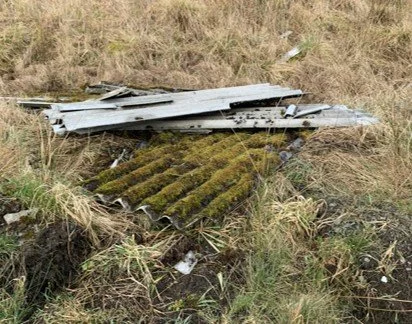
Illustrative service photograph; not a Swansea project record.
Swansea soil investigations need evidence for the actual parcel
Asbestos in soil or made ground requires an instruction distinct from routine building-material identification. Define the excavation footprint, depths, available site evidence and decisions about handling or arisings. The competent strategy should explain what the investigation and analysis need to establish.
The Lower Swansea Valley, Tawe corridor and waterfront have development histories that can inform a review of site records. Historical associations are not a finding that a particular plot is contaminated. Investigation should follow the parcel-specific evidence and planned disturbance.
For domestic extensions, utility works and changes to commercial yards, explain what lies within the work area and what information is missing. A new surface or a recent building does not, by itself, describe the underlying ground. A building demolition survey also does not resolve every ground question.
ASM can discuss investigation, analytical requirements, watching briefs and remediation support for the actual project. Watching briefs and remediation are not described as UKAS-accredited services. Confirm the matrix, method and applicable current scope for analytical work rather than inferring it from general bulk-building-material accreditation.
Keep the strategy, sample references, work boundaries and subsequent verification together. Where several phases share a site, the team needs to know which evidence applies to each location and material stream before deciding what work or movement can proceed.
UKAS 32982: inspection and testing, with a clear scope
Asbestos Surveying and Monitoring Ltd is listed by UKAS under number 32982 for inspection and testing. Accreditation applies to the defined activities and locations in the current ISO/IEC 17020 inspection and ISO/IEC 17025 testing schedules. Bulk asbestos identification is undertaken at the Sunderland laboratory.
Removal, management-plan preparation, watching briefs and remediation are not described as UKAS-accredited services. Ask for the current schedule and the applicable scope with your quotation. View Sunderland laboratory information.
Local redevelopment context without assumptions about contamination
Hafod, Landore and the Lower Swansea Valley
Review the specific plot’s history, previous structures and investigation records where available. Do not infer asbestos from the area’s industrial heritage. Use the evidence to decide the investigation and controls needed for the planned excavation.
SA1 and waterfront projects
Distinguish standing buildings, retained infrastructure, excavation zones and arisings. A regeneration description does not establish ground composition. Make sure the work team can identify the parcel and depth range represented by each relevant record.
Extensions and commercial-yard changes
Smaller jobs still need an unexpected-find procedure and clear responsibility for assessment. Explain stockpile space, neighbouring occupation and the proposed destination of arisings. The scale of the job alone does not identify material or justify its reuse.
The council’s LDP2 Preferred Strategy provides local planning context, including waterfront and Tawe-corridor locations. It is cited as a preferred-strategy document, not presented as an adopted replacement plan or as evidence of contamination.
A watching brief needs authority and a response plan
An asbestos watching brief should have a defined purpose, competent attendance, observation arrangements and a clear process for unexpected finds. Agree who can stop affected work, isolate an area, call for sampling or specialist assessment and authorise the next step.
Set out excavation visibility, weather and dust controls, work-zone access, segregation, material handling and communication with machine operators. If the planned method changes or material conditions differ from those assumed, review the controls before continuing.
Unexpected suspect debris during Swansea excavation
Before work starts, agree who can stop the affected activity and who will arrange competent assessment if suspect material appears. The procedure should be understood by the excavation team, site manager and relevant specialist contacts, including on smaller domestic projects.
If suspect debris is encountered, stop the affected disturbance, prevent spread and notify the responsible site contact under the agreed procedure. Do not continue mixing or moving the material simply to maintain production. The competent response should determine investigation, controls and the basis for resuming the affected work.
Record the find’s location and the relevant work phase without creating further disturbance. Keep any subsequent samples linked to their collection details and the material they represent. A general photograph or an unreferenced laboratory result cannot establish the extent of a ground issue.
Consider the interfaces with adjacent stockpiles, retained surfaces and material already moved. The assessment should establish the relevant boundaries rather than assuming that one positive sample describes the whole site or that one negative sample clears every other area.
Agree the evidence needed for decisions about handling, reuse, removal and verification with the competent project team. Waste classification and destination acceptance are separate matters requiring suitable evidence; do not infer them from a building-material certificate alone.
Remediation options depend on the agreed strategy
Projects may involve selective removal, controlled excavation, appropriately justified retention or capping, or a combination of measures. The selection depends on the contamination, exposure pathways, intended use, earthworks and applicable project requirements. None should be presented as a universal solution.
Material reuse, waste classification, transport and disposal need their own competent assessment and documentation. Hand-picking visible fragments does not, by itself, demonstrate that all asbestos has been removed or that soil can be freely reused.
Bulk identification, soil quantification and fibre-release questions are different analytical requirements. Agree suitable methods and check the laboratory’s accreditation for the exact analysis commissioned. ASM’s building inspection or bulk-identification accreditation should not be assumed to cover every soil test or remediation activity.
Plan stockpiles, discoveries and material destinations together
A watching-brief or investigation strategy should address what happens to excavated material, not just where the first sample is taken. Identify stockpile areas, segregation arrangements and the proposed route for each material stream. Keep the location and movement records clear enough to prevent uncertain material being mixed with a better-characterised stockpile.
For Swansea utility or foundation works, a change in depth or alignment can encounter ground outside the original investigation. Set out how that change is reported and when the sampling, controls or material-handling plan needs review. The same applies where unexpected demolition debris or different ground conditions appear.
Where the strategy includes retention or capping, document the material location, installed protection, applicable limitations and the information future excavators will need. Capping does not mean that asbestos has been removed. Verification should address the agreed objectives and the actual work undertaken rather than relying on a generic completion statement.
Where disposal is needed, agree suitable waste assessment, acceptance and documentation through competent project parties. A bulk material identification result alone does not determine every waste or reuse question. The project should retain a clear evidence trail from investigation through movement and final destination.
Swansea excavation records from investigation to destination
Agree a consistent reference for each excavation area and material stream before work starts. If the project includes several contractors, ensure their plans and records use compatible identifiers. An investigation result loses practical value if the team cannot connect it to the material being handled or a stockpile created later.
Define how unexpected finds will be recorded, assessed and released for the next decision. The responsible person needs authority to pause the affected activity and obtain competent advice. Programme pressure should not turn an unresolved find into ordinary arisings by default or encourage mixing material whose status is uncertain.
Keep analytical scope, waste assessment and receiving-site requirements distinct. A result supporting one investigation question may not supply every item needed for classification, reuse or destination acceptance. The competent project team should agree the evidence for each decision and retain the final verification against the actual Swansea work boundary.
Keep evidence from investigation through to completion
- A plan linking sampling locations, ground zones and excavation depths.
- The agreed investigation and analytical strategy with limitations.
- Watching-brief records and decisions following unexpected finds.
- Relevant air monitoring and exposure-control records where required.
- Stockpile, movement, waste and disposal records as applicable.
- Verification or validation evidence matched to the agreed remediation objectives.
For Swansea redevelopment, combine this with building demolition survey information where structures are present. Consider air monitoring for a defined purpose and ASM’s national contaminated-land service for wider project support.
Information for your Swansea quotation
Provide the exact Swansea site parcel, available history, investigation records, excavation footprint and depths. Identify arisings, stockpile arrangements, proposed destinations and the unexpected-find decision maker. Agree analytical methods, reporting and verification objectives for the actual groundworks and material streams. Use parcel and stockpile references that all contractors can recognise, and distinguish investigation findings from assumptions based on local industrial history.
Send the details to ASM’s contact and quotation form or survey@asbestosSM.co.uk. State any fixed project deadline. Scope, attendance and reporting are confirmed in the written quotation.
Swansea city, surrounding communities and South Wales enquiries
Discuss properties in Swansea city centre, Uplands, Sketty, Brynmill, St Thomas, Hafod, Landore, Morriston, Llansamlet, Fforestfach, Killay and Mumbles. Commercial enquiries can include Swansea Enterprise Park and Swansea Vale. Supply the full postcode, building name and unit reference so access and attendance can be confirmed for the actual premises.
For Gorseinon, Gowerton, Pontarddulais or a Gower address, include the site location, required service and programme. These are surrounding-area enquiries, not claims of a branch in each community. Swansea is an ASM service area; bulk analysis is undertaken at Sunderland and any sample submission must be arranged in advance.
Call 0330 433 9680 or email survey@asbestosSM.co.uk. If the instruction spans South Wales, see Cardiff asbestos services. Keep separate scope, access and evidence for each property rather than transferring results across a portfolio.
Related Swansea services
Demolition surveys
Investigate the complete affected structure before demolition in Swansea. Define retained neighbours, shared services, external structures and any partial-demolition boundary. The building survey should support the demolition plan while separate ground evidence addresses soil, made ground and excavation arisings. View service →
Air monitoring
Arrange asbestos air monitoring or the appropriate clearance service for a defined Swansea project. Explain why the analytical evidence is needed, the work phase and surrounding occupation. Monitoring, survey evidence and formal clearance serve different purposes and should be specified separately. View service →
Asbestos removal
Plan asbestos removal in Swansea around the identified material, work boundary and required handover. ASM can discuss appropriate non-licensed and applicable notifiable non-licensed work, with licensable work through Flowing Construction Services within F&I Group. Agree access, occupation, waste arrangements and analytical requirements before follow-on trades are booked. View service →
Services hub
Asbestos surveys, sampling, testing, removal and management support for Swansea homes, commercial premises and redevelopment projects. Start with the property and the work you need to plan: a rented-house alteration, a shop refit, an industrial-unit instruction or a question about one suspect material. ASM can help define the appropriate service and evidence. View service →
Asbestos in Soil Swansea FAQs
Does Swansea’s industrial history prove asbestos is present in a redevelopment plot?
No. Area history helps frame investigation questions, but findings must come from evidence for the actual parcel. Review available records and the proposed excavation, then agree the investigation and analytical strategy needed for the project’s work and material decisions.
What should happen if suspect debris appears during Swansea groundworks?
Stop the affected disturbance, prevent spread and notify the responsible site contact under the agreed procedure. Obtain competent assessment before the affected work resumes. Keep location and material references traceable, including any arisings or stockpiles relevant to the assessment.
Does a former factory site necessarily contain asbestos in soil?
No. Site history helps identify potential issues, but investigation and evidence are needed. Neither industrial history nor a modern surface finish establishes the asbestos status of the ground.
Can one negative soil sample clear the whole site?
No. The representativeness of samples, ground variability, analytical method and investigation scope determine what conclusions can be supported.
What does an asbestos watching brief do?
It provides the agreed competent observation and response during groundworks, with defined stop-work, assessment, sampling and reporting arrangements. The exact role must be set before excavation starts.
Can visible fragments simply be picked out?
That may be one controlled element of an agreed strategy, but it does not prove the remaining soil is free of asbestos. Suitability depends on contamination, risk and the required verification evidence.
Is soil testing the same as testing a piece of roof sheet?
No. Bulk identification and soil-specific identification, quantification or other analysis answer different questions. Agree the method and laboratory scope appropriate to the project.
Does the building survey cover buried demolition rubble?
Not automatically. Ground conditions require a separate agreed investigation. Keep the building survey, demolition boundary and groundworks strategy connected but distinct.
Can groundworks continue elsewhere after a suspect find?
That requires a competent assessment and a clearly controlled boundary. Stop the affected operation and prevent spreading material while the significance and next steps are assessed. Do not assume adjacent work is unaffected without reviewing the circumstances.
Does capping mean the asbestos is gone?
No. A justified capping strategy retains material beneath a defined protective arrangement. Its location, specification, verification and future restrictions need to be recorded and passed to those responsible for the site.
Can excavated soil be reused on the same site?
Suitability requires a competent project-specific assessment covering contamination, proposed use, controls and applicable waste or material-management requirements. A visual inspection or one negative sample is not sufficient on its own.
What happens if the excavation route changes?
Review whether the existing investigation and controls cover the revised alignment and depth. New ground conditions or material streams may require further sampling, assessment and changes to the handling or verification plan.
Discuss your Swansea project with ASM
Send the property details, existing information and intended work so we can agree the appropriate service and quotation.