

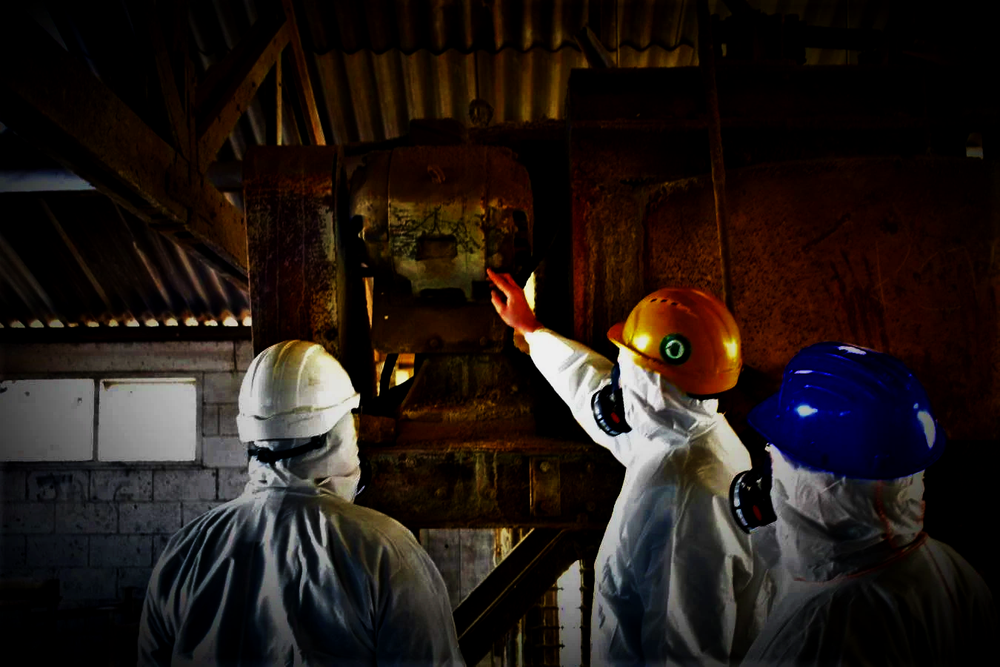
Asbestos management Barrow — turn survey information into a working register, plan and contractor-control system
For relevant non-domestic premises, asbestos management is more than commissioning a survey. The dutyholder needs usable information on the location and condition of asbestos, a current register, a plan for managing risk, clear responsibilities and a method for ensuring anyone who may disturb the building fabric receives the right information before work starts.
The working parts of an asbestos management system
A Management Survey supplies inspection evidence. The management system is the next stage: it controls how that information is recorded, communicated, reviewed and acted upon.
Asbestos register
Maintain a usable record of identified and presumed asbestos, location, condition and relevant actions so staff and contractors can find the information they need.
Management SurveyAsbestos management plan
Document responsibilities, priorities, controls, communication, emergencies, remedial actions and the review process for keeping the asbestos information current.
Management supportContractor controls
Make the relevant asbestos information available before maintenance, drilling, refurbishment or other work and check that the proposed activity is covered by suitable survey information.
Refurbishment checksReinspection & change control
Reinspect known or presumed ACMs at risk-based intervals and update records after damage, removal, repair, layout changes or new survey information.
ReinspectionTurn Barrow asbestos information into everyday controls
A survey report is an evidence source, not the complete management system. Dutyholders need a current register, risk actions, contractor controls, communication and a review process that reflects how each property is used.
Industrial and engineering operations
Maintenance teams need reliable pre-work checks for plant, services, roofs, workshops and secure operational areas.
Housing and managed portfolios
Blocks, communal areas, garages and landlord property need consistent references, access arrangements and clear responsibility boundaries.
Public, healthcare and education estates
Central registers, local access rules and auditable actions help estates teams control work across multiple buildings.
Furness multi-building sites
Workshops, stores, rural buildings and outbuildings need registers that reflect separate structures, access limits and maintenance cycles.
A clear Barrow project route
Give the team enough information to define the correct scope before attendance or pricing. That reduces duplicated surveys, unclear exclusions and delays when work starts.
Tell us the decision
Occupation, one suspect material, refurbishment, demolition, confirmed asbestos, air evidence or ground disturbance.
Send the evidence
Address, photographs, plans, previous reports, dimensions, proposed works, access limits and required dates.
Confirm the scope
Receive a written quotation describing inclusions, assumptions, access, analytical needs, outputs and exclusions.
Use the result
Manage, design, tender, remove, remediate or progress the next controlled project stage using the resulting evidence.
Barrow support through ASM’s Manchester office and Sunderland laboratory
Barrow-in-Furness projects are supported through ASM’s Manchester regional office. UKAS-accredited bulk-sample analysis is undertaken at the Sunderland Head Office laboratory within the applicable testing scope; Barrow is a local service area, not a separate ASM office or laboratory.
ASM Manchester Regional Office
First Floor, Swan Buildings
20 Swan Street
Manchester
M4 5JW
Regional support only; accredited bulk analysis is based at Sunderland.
Monday–Friday · 08:00–18:00
Manchester regional services →Barrow-in-Furness & South Cumbria coverage
Barrow-in-Furness town centre, Barrow Island, Walney Island, Hindpool, Ormsgill, Parkside, Risedale, Hawcoat, Newbarns, Roose, Rampside, Dalton-in-Furness, Askam-in-Furness, Ireleth, Lindal-in-Furness, Ulverston, Swarthmoor, Kirkby-in-Furness, Broughton-in-Furness, Millom, Cark, Cartmel, Grange-over-Sands and surrounding Furness and South Cumbria areas.
Attendance is subject to project scope, access, programme and team availability.
National asbestos management plan guide →Related Barrow routes
Use the specialist page that matches the next decision: survey, sample, test, manage, remove, monitor or remediate.
Management plans FAQs — Barrow-in-Furness & South Cumbria
Concise answers to the questions most likely to affect the customer’s next decision.
What should an asbestos management plan include?
It should set out how identified or presumed asbestos will be managed, who is responsible, how information is communicated, what actions are required, how contractors are controlled, how incidents are handled and when the information will be reviewed.
Is an asbestos register the same as a management plan?
No. The register records asbestos information. The management plan sets out what the dutyholder will do with that information to prevent exposure and keep the arrangements effective.
Does a Management Survey complete the duty to manage by itself?
No. A survey can provide essential building information, but the dutyholder still needs to assess risk, keep records current, manage actions, communicate information and review the arrangements.
When should the management plan be reviewed?
Review the management plan at least every 12 months and sooner where necessary, including after damage, removal, refurbishment, changes in building use, new survey information or changes to the people responsible for managing the risk.
How often should the management plan be reviewed?
Review it at least every 12 months and sooner when work, damage, occupation or other changes could affect the asbestos information or controls.
Who needs access to the asbestos register?
Those planning, authorising or carrying out work that could disturb ACMs need relevant current information before work starts.
Does every ACM need a label?
Labelling is one possible control, but the decision should suit the property, occupants, access and management system. Labels do not replace a current register and briefing process.
What happens when refurbishment is planned?
Check the existing information against the precise work boundary and arrange an appropriate Refurbishment Survey where intrusive work could disturb unidentified materials.
Send the Barrow project details
Provide the full address or postcode, property or site type, reason for the enquiry, proposed works, existing asbestos information, photographs or drawings where available, access restrictions and required dates.