

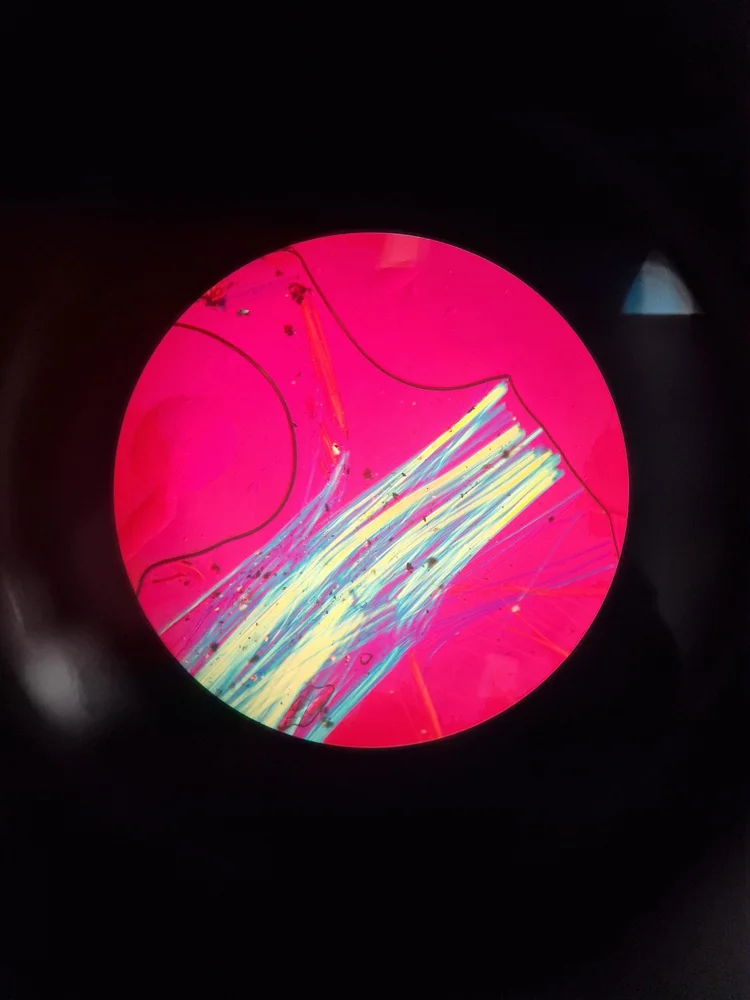
Asbestos testing Barrow — laboratory identification through ASM’s Sunderland UKAS laboratory
ASM provides bulk asbestos identification for Barrow samples through the accredited laboratory at the Sunderland headquarters. Laboratory-only analysis is different from professional site collection: if the material has not already been safely and suitably sampled, arrange sampling first.
Choose the correct testing route before a sample is disturbed
The laboratory identifies the submitted material. It does not inspect the property, establish whether other ACMs are present or replace the correct asbestos survey for a wider project.
Professional sampling visit
Use this route when a suspect material is still in place and needs controlled representative collection at the Barrow property.
Book samplingLaboratory-only analysis
Suitably collected, sealed and labelled bulk samples can be analysed through the Sunderland laboratory subject to the laboratory booking and acceptance process.
Testing guidanceAsbestos survey
Use a systematic survey when the question covers a building, management register, refurbishment work area or demolition boundary rather than one submitted material.
Survey routesUse the result in context
A positive or negative result should be interpreted against the exact material and location sampled, the planned work and any need for wider survey evidence.
Next stepsHow Barrow samples move through the correct laboratory route
Laboratory testing identifies an accepted representative sample. It does not inspect the property, establish what is hidden elsewhere or replace the correct survey for a wider project.
Professional collection in Barrow
If suspect material remains in place, arrange a controlled site sampling visit before laboratory analysis.
Booked laboratory-only analysis
Where a sample has already been suitably collected, use the confirmed submission, packaging, labelling and acceptance route before sending it to Sunderland.
Result for the submitted sample
The certificate records the accepted sample and identification result; it does not extend automatically to nearby or visually similar materials.
Survey required for wider works
Refurbishment and demolition decisions need systematic information across the full work boundary, not one isolated laboratory result.
A clear Barrow project route
Give the team enough information to define the correct scope before attendance or pricing. That reduces duplicated surveys, unclear exclusions and delays when work starts.
Tell us the decision
Occupation, one suspect material, refurbishment, demolition, confirmed asbestos, air evidence or ground disturbance.
Send the evidence
Address, photographs, plans, previous reports, dimensions, proposed works, access limits and required dates.
Confirm the scope
Receive a written quotation describing inclusions, assumptions, access, analytical needs, outputs and exclusions.
Use the result
Manage, design, tender, remove, remediate or progress the next controlled project stage using the resulting evidence.
Barrow support through ASM’s Manchester office and Sunderland laboratory
Barrow-in-Furness projects are supported through ASM’s Manchester regional office. UKAS-accredited bulk-sample analysis is undertaken at the Sunderland Head Office laboratory within the applicable testing scope; Barrow is a local service area, not a separate ASM office or laboratory.
ASM Manchester Regional Office
First Floor, Swan Buildings
20 Swan Street
Manchester
M4 5JW
Sunderland laboratory: 0191 481 2231
Monday–Friday · 08:00–18:00
Manchester regional services →Barrow-in-Furness & South Cumbria coverage
Barrow-in-Furness town centre, Barrow Island, Walney Island, Hindpool, Ormsgill, Parkside, Risedale, Hawcoat, Newbarns, Roose, Rampside, Dalton-in-Furness, Askam-in-Furness, Ireleth, Lindal-in-Furness, Ulverston, Swarthmoor, Kirkby-in-Furness, Broughton-in-Furness, Millom, Cark, Cartmel, Grange-over-Sands and surrounding Furness and South Cumbria areas.
Attendance is subject to project scope, access, programme and team availability.
Sunderland UKAS laboratory →Related Barrow routes
Use the specialist page that matches the next decision: survey, sample, test, manage, remove, monitor or remediate.
Testing FAQs — Barrow-in-Furness & South Cumbria
Concise answers to the questions most likely to affect the customer’s next decision.
Is there an ASM asbestos laboratory in Barrow?
No. ASM’s UKAS-accredited bulk-analysis laboratory is based at the Sunderland headquarters. Barrow samples are analysed there within the applicable testing scope.
How much is laboratory-only asbestos analysis?
ASM’s current public cost guide lists standard laboratory analysis at £25 per accepted sample and an urgent route at £50 per accepted sample, subject to booking, sample acceptance and current availability.
Is professional sampling included in laboratory-only testing?
No. Laboratory-only analysis assumes a sample has already been suitably collected, packaged and labelled. Professional site collection is a separate service.
Can laboratory testing replace a Refurbishment Survey?
No. A material test only answers the question for the submitted sample. Intrusive refurbishment can require systematic investigation of every building element affected by the work.
What is the standard public laboratory price?
ASM’s current guide lists £25 per accepted sample for the standard public booking route, subject to booking and sample acceptance.
Is an urgent laboratory route available?
The current guide lists an urgent route at £50 per accepted sample, subject to prior booking, sample acceptance and laboratory availability.
Can I arrive at the laboratory without booking?
Use the confirmed booking and acceptance route before sending or bringing samples. Barrow is not presented as a laboratory or public drop-off point.
Does the result cover materials beside the sampled item?
No. The result applies to the accepted representative sample and recorded location. Adjacent or visually similar materials may require separate investigation.
Send the Barrow project details
Provide the full address or postcode, property or site type, reason for the enquiry, proposed works, existing asbestos information, photographs or drawings where available, access restrictions and required dates.