ASM BLOG WHAT DOES ASBESTOS LOOK LIKE? UK PHOTO GALLERY & IDENTIFICATION GUIDE
What Does Asbestos Look Like?
See real examples of asbestos-containing materials found in UK buildings, including asbestos insulating board, pipe lagging, sprayed coatings, cement sheets, floor tiles, textured coatings, textiles, paper and loose-fill insulation.
The photographs can help you recognise a suspect material — but they cannot confirm that asbestos is present.
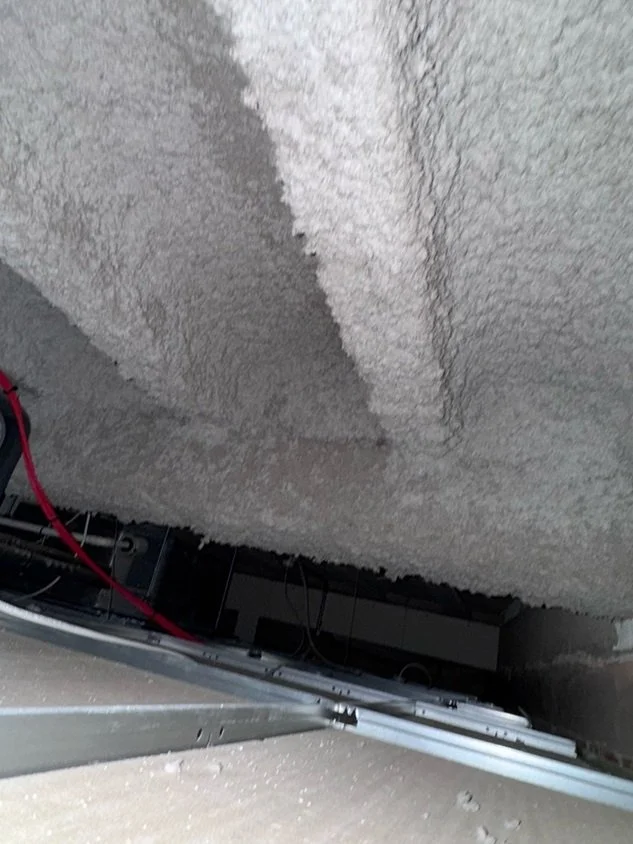
Can you identify asbestos by looking at it?
Not reliably. Asbestos was mixed into many different construction products, so there is no single colour, texture, pattern or shape that proves a material contains asbestos.
Materials containing asbestos can look almost identical to modern non-asbestos products. This is particularly important with products such as asbestos insulating board, cement sheets, floor tiles, textured coatings and insulation materials.
If asbestos is suspected, avoid drilling, cutting, sanding, scraping, breaking or otherwise disturbing it. Confirmation should be obtained through appropriate asbestos sampling and laboratory analysis.
Loose-fill asbestos insulation
Loose-fill asbestos is one of the easiest forms of asbestos to disturb because the fibres are not strongly bonded into another material.
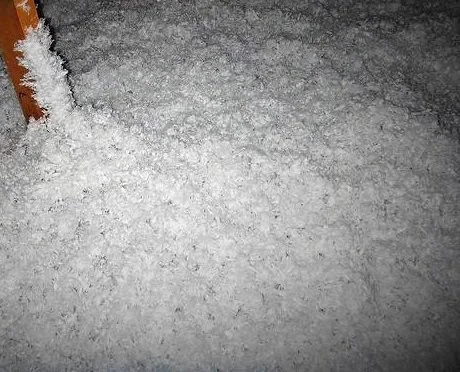

What can it look like?
Loose, fluffy or fibrous insulation. It can appear grey, whitish or blue-grey and can resemble other loose insulation products.
Where might it be found?
- Loft spaces
- Wall cavities
- Beneath floors
- Around structural elements
- Older industrial installations
Work classification
Loose-fill asbestos presents a particularly high potential for fibre release. Work should not be attempted unless undertaken by an appropriately licensed asbestos contractor.
Suspect loose-fill material?
Do not disturb it. Restrict access and obtain professional advice. See asbestos removal services.
Asbestos pipe lagging and thermal insulation
Asbestos thermal insulation was extensively used around pipes, boilers, calorifiers and heating systems because of its thermal and fire-resistant properties.
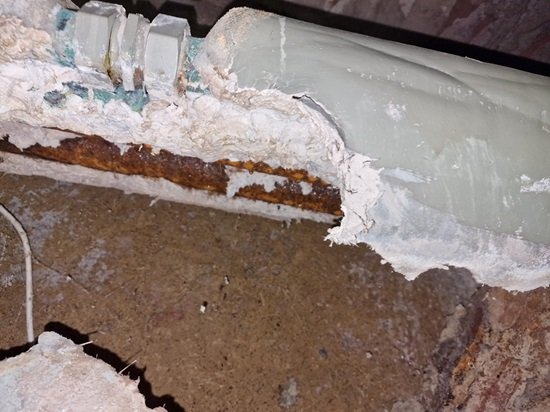
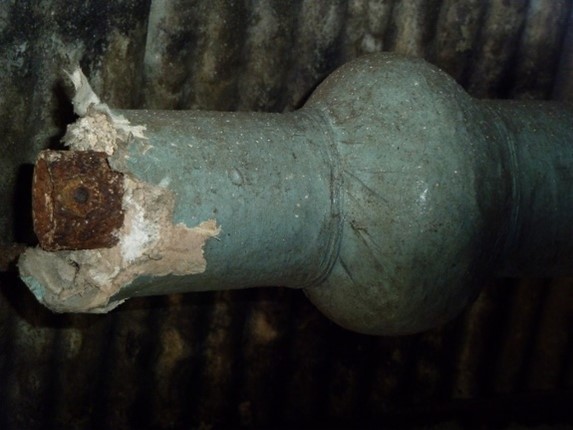
What can it look like?
Fibrous, plaster-like or crumbly insulation surrounding pipes and heating equipment. It may have a painted, cloth or calico outer covering.
Where might it be found?
- Boiler rooms
- Heating pipework
- Calorifiers
- Service ducts
- Industrial plant
Work classification
Most work involving asbestos lagging is higher risk and requires an HSE-licensed asbestos contractor.
Sprayed asbestos coatings
Sprayed asbestos coatings were used for fire protection, acoustic treatment and insulation on structural surfaces.
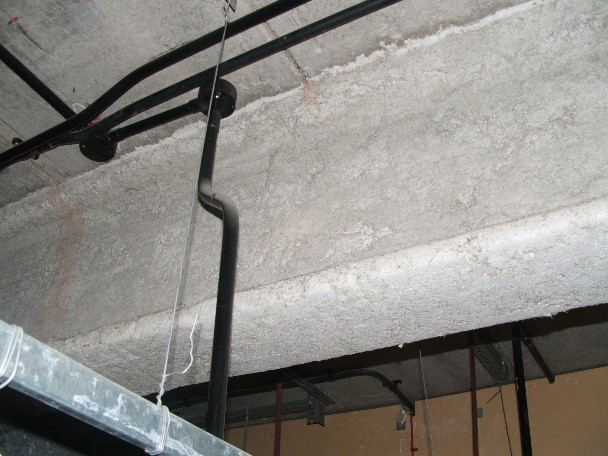
What can it look like?
Rough, textured or fluffy sprayed material, commonly white or grey but sometimes painted or coated later.
Where might it be found?
- Structural beams
- Columns
- Undersides of floors
- Roofs
- Industrial structures
Work classification
Sprayed asbestos coatings are high-risk ACMs. Work on these coatings requires an HSE-licensed asbestos contractor.
Asbestos Insulating Board — AIB
AIB is one of the most frequently confused asbestos products because it can resemble plasterboard, fibreboard and other non-asbestos building boards.
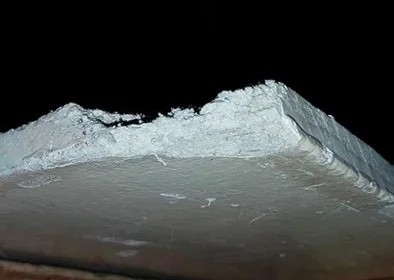
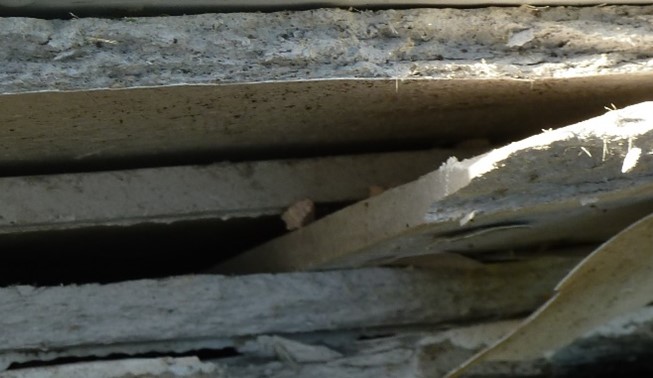
What can AIB look like?
A rigid board, often grey, white or off-white. Its appearance varies considerably and it cannot reliably be distinguished from non-asbestos boards by sight.
Common AIB locations
- Ceiling tiles
- Partitions
- Firebreaks
- Soffits
- Window panels
- Fire doors
- Lift shafts
- Boiler cupboards
Is AIB licensed work?
Most removal work on AIB requires a licensed contractor, particularly where the material is damaged or significant disturbance is involved. Certain short-duration minor tasks can fall into non-licensed or notifiable non-licensed categories.
AIB or asbestos cement?
They can sometimes look similar but have very different properties and work requirements. Do not rely on appearance alone. Arrange asbestos sampling.
Asbestos cement sheets, roofs and products
Asbestos cement is one of the most commonly encountered asbestos products around UK homes, garages, warehouses, farms and industrial buildings.
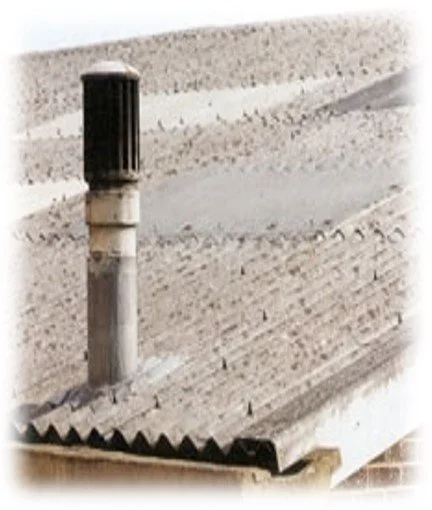

What can it look like?
Hard grey cement-type material. It can be profiled, corrugated, flat, moulded or formed into pipes, tanks and other products.
Common locations
- Garage roofs
- Shed roofs
- Industrial roofing
- Wall cladding
- Water tanks
- Flues
- Gutters and downpipes
Work classification
Many controlled tasks involving asbestos cement are non-licensed. Significant break-up, deterioration or unusual conditions can alter the work category and must be assessed before work starts.
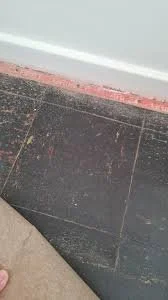
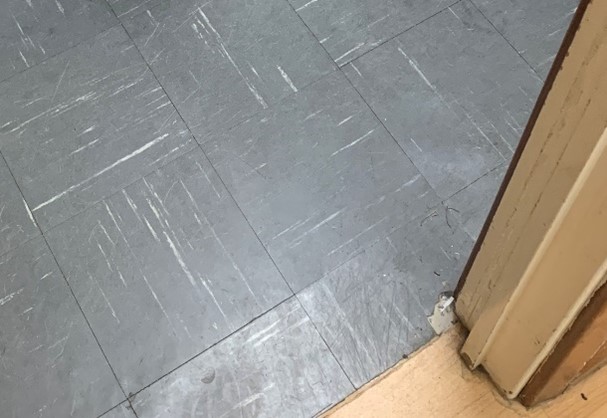
Asbestos floor tiles and floor coverings
Asbestos was used in various floor tiles, sheet floor coverings, backings, mastics and adhesives. Flooring can also conceal more than one asbestos-containing layer.
What can they look like?
Vinyl or thermoplastic tiles in many colours, patterns and sizes. Appearance and dimensions alone cannot confirm asbestos.
Look beneath the tile too
Older flooring can also contain asbestos paper backing or asbestos-containing bitumen adhesive beneath the visible surface.
Work classification
Careful manual removal of suitable intact tiles is commonly non-licensed work. Significant deterioration, asbestos paper backing or aggressive mechanical removal can change the classification.
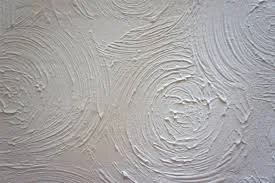
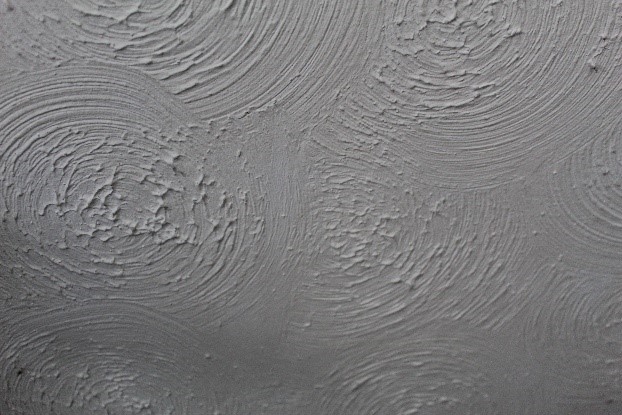
Artex and asbestos textured coatings
Decorative textured coatings were applied to ceilings and walls in many different patterns. Artex is a well-known trade name, although not every textured coating contains asbestos.
What can it look like?
Swirls, stipples, peaks, bark effects and many other textured finishes. It is commonly white but may have been painted many times.
Where is it found?
- Ceilings
- Walls
- Hallways
- Stairwells
- Domestic and commercial premises
Can Artex contain asbestos?
Yes, some older textured coatings contain asbestos. The pattern itself cannot tell you whether asbestos is present.
Asbestos textiles, rope and gaskets
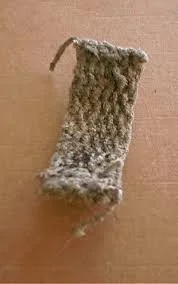

What can it look like?
Woven cloth, string, rope, tape, packing or compressed gasket materials, often white, cream or grey.
Common uses
- Fire blankets
- Oven and furnace seals
- Pipe and valve gaskets
- Electrical flash guards
- Heat-resistant tapes
Work classification
Some intact gasket and rope work can be non-licensed. If the material will be substantially broken up or is in poor condition, the work category may change.
Asbestos paper and paper-backed flooring
Asbestos paper was used as a backing, lining and insulation layer. It can be hidden beneath other products and may only become visible during refurbishment or removal of floor coverings.
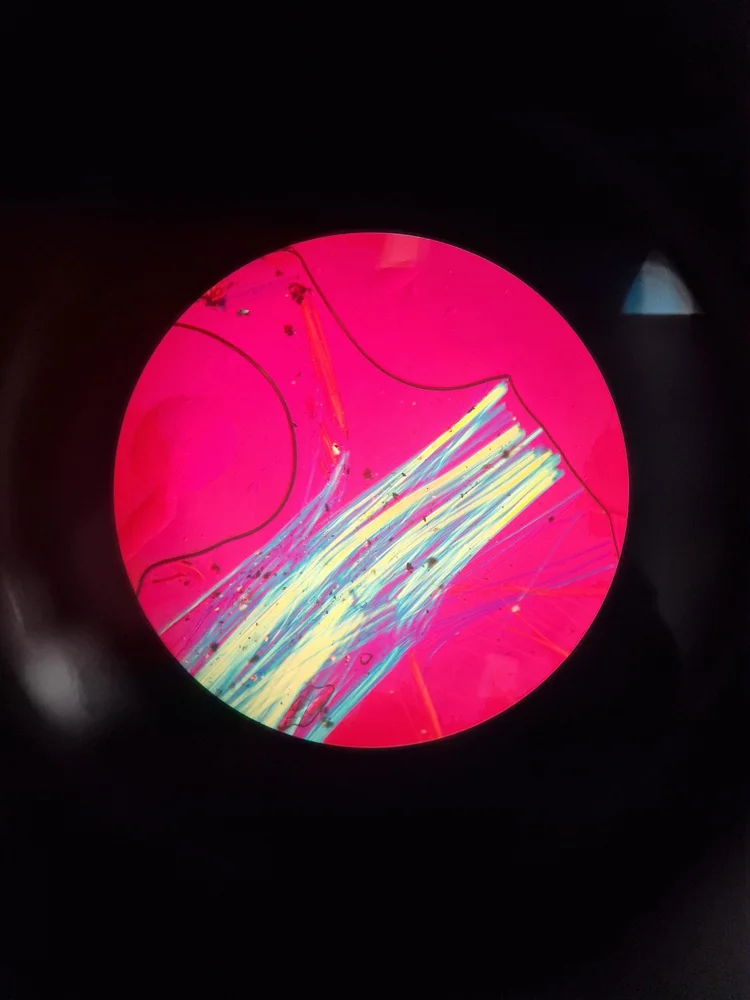

What can it look like?
Thin white, grey or fibrous paper-like material. It may be bonded to another product and therefore hidden from view.
Common uses
- Floor-covering backing
- Panel lining
- Insulation layers
- Equipment and heat protection
Why identification matters
A floor covering may appear relatively straightforward until an asbestos paper backing is exposed. This can change the controls and work classification required.
Asbestos bitumen, mastics and adhesives
Asbestos was added to some bitumen-based adhesives, mastics, coatings and other compounds. One of the most familiar examples is black adhesive beneath older floor tiles.
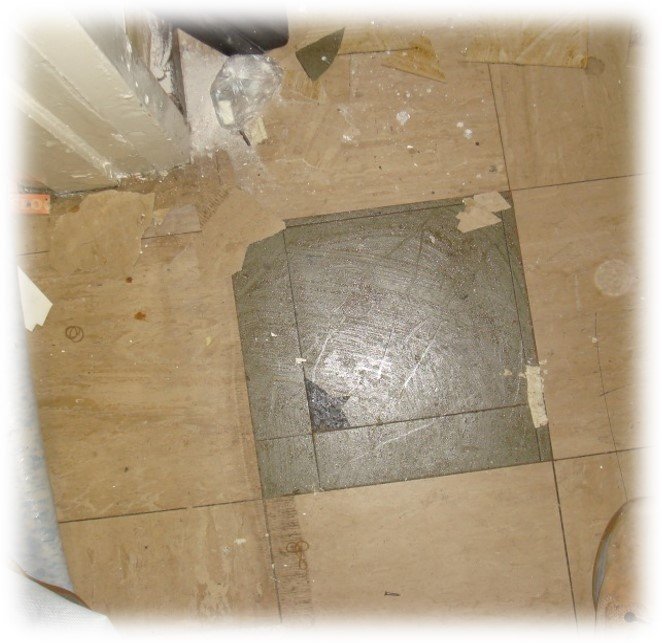

What can it look like?
Black or dark brown tar-like adhesive, mastic or coating. Similar-looking non-asbestos products also exist.
Where might it be found?
- Beneath floor tiles
- Roofing products
- Damp-proof compounds
- Sink pads
- Other older mastics and sealants
Work classification
Bonded bitumen materials commonly present relatively low fibre release when intact, but mechanical grinding, abrasion or other aggressive methods can significantly increase the risk.
Can ASM tell if something is asbestos from a photo?
A photograph can help us understand what the material may be and recommend the most appropriate next step, but a photograph alone cannot provide a definitive asbestos result.
One suspect material
If you have one defined material, targeted professional sampling and laboratory analysis may be the most efficient route.
Asbestos sampling →Several suspect materials
If several parts of a property need investigating, an asbestos survey may be more appropriate than arranging multiple isolated samples.
Asbestos surveys →Renovation is planned
Where building fabric will be opened or removed, the asbestos inspection needs to match the proposed refurbishment work.
Refurbishment surveys →Where is asbestos commonly found in UK buildings?
Recognising where asbestos products were historically used is often more useful than trying to identify asbestos by colour or appearance alone.
Ceilings
AIB tiles, sprayed coatings and textured decorative coatings.
Boiler cupboards
AIB panels, pipe lagging, gaskets and heat-resistant materials.
Floors
Vinyl tiles, thermoplastic tiles, paper backing and bitumen adhesive.
Garages
Corrugated asbestos cement roofing, wall panels and other cement products.
Soffits & panels
AIB and asbestos cement can both occur in external building panels.
Service areas
Pipe insulation, fire protection, rope seals, gaskets and AIB.
What should you do if you suspect asbestos?
1. Leave it alone
Do not drill, cut, break, sand, scrape or pressure-wash the material just to investigate it.
2. Determine what information you need
A single material may only require sampling. A building or planned refurbishment may require a wider asbestos survey.
3. Get confirmation
Use competent sampling and laboratory analysis to confirm whether the suspect material contains asbestos.
Asbestos testing, surveys, management and removal
Asbestos Testing Near Me
Find out whether one suspect material needs testing or whether a wider inspection would be more appropriate.
Asbestos testing →Asbestos Sampling
Professional sample collection and UKAS-accredited laboratory analysis for defined suspect materials.
Sampling services →Asbestos Surveys
Management, Refurbishment, Demolition and Re-inspection Surveys for homes, businesses and construction projects.
Compare survey types →Management Surveys
Identify ACMs that may be disturbed during normal occupation, maintenance and foreseeable building use.
Management Survey UK →Refurbishment Surveys
Intrusive asbestos investigation before renovation, fit-out, alteration and other building work.
Refurbishment Survey UK →Demolition Surveys
Fully intrusive asbestos investigation before full or partial structural demolition.
Demolition Survey UK →Asbestos Removal
Licensed, NNLW and non-licensed asbestos work using the correct route for the material and proposed activity.
Removal services →Removal Cost Guide
Guide prices for garage roofs, cement products, floor tiles, textured coatings, AIB and higher-risk asbestos removal.
Asbestos removal costs →Survey Found Asbestos?
A positive result does not automatically mean immediate removal. Compare management, protection and removal options.
What happens next? →UKAS-accredited asbestos inspection and testing
Asbestos Surveying and Monitoring Ltd holds UKAS accreditation number 32982 for defined asbestos inspection and testing activities.
Photographs are useful for recognising materials that warrant further investigation, but professional sampling and laboratory analysis provide the evidence needed to confirm whether asbestos is present.
What does asbestos look like? Common questions
Can you tell if something is asbestos just by looking at it?
No. Some asbestos-containing materials have recognisable characteristics, but non-asbestos materials can look virtually identical. Laboratory analysis of an appropriate representative sample is needed for confirmation.
What colour is asbestos?
There is no reliable asbestos colour test. Asbestos-containing products can be white, grey, brown, blue-grey, black or many other colours because asbestos was incorporated into different manufactured materials.
What does asbestos insulating board look like?
AIB is generally a rigid board and may appear white, grey or off-white. It can resemble plasterboard and other fibre boards, which is why appearance alone is not sufficient for identification.
What does an asbestos garage roof look like?
Many asbestos cement garage roofs use grey corrugated sheets. Similar modern fibre-cement products also exist, so age and appearance alone cannot confirm that a roof contains asbestos.
What do asbestos floor tiles look like?
Asbestos-containing floor tiles were manufactured in many sizes, patterns and colours. They can be difficult to distinguish from non-asbestos tiles. Adhesive or paper backing beneath the tiles can also contain asbestos.
Does all Artex contain asbestos?
No. Some older textured coatings contain asbestos and others do not. A swirl, stipple or other decorative pattern cannot prove whether asbestos is present.
Can I send a photo to identify asbestos?
A photograph can help a competent asbestos company understand the likely material and recommend the appropriate next step, but a photograph cannot provide a definitive asbestos result.
Should I take an asbestos sample myself?
Sampling asbestos can disturb fibres and needs suitable controls. Professional sampling is generally the safer route, particularly where the material is damaged, friable, difficult to access or potentially higher risk.
What should I do if I accidentally damage suspect asbestos?
Stop disturbing the material, prevent unnecessary access to the affected area and obtain competent asbestos advice before cleaning or continuing work.
Get the material checked before you disturb it
If you have found a suspect material in a home, commercial building, school, industrial property or construction project, ASM can advise whether targeted sampling or a wider asbestos survey is the appropriate next step.
Additional HSE comparison photographs are sourced from the Health and Safety Executive's asbestos materials guidance. HSE states that its website content is available under the Open Government Licence v3.0 except where otherwise stated. The HSE photographs are included here as visual reference examples; photographs alone must not be used to confirm asbestos.