

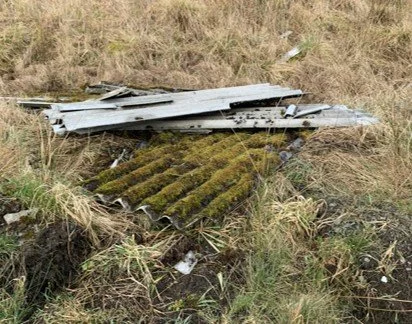
Asbestos in Soil Cambridge
Asbestos-in-soil investigation, watching briefs and remediation support for Cambridge groundworks. Review site evidence and the excavation brief, then agree controls for suspect finds, stockpiles and material movement.
Unexpected suspect asbestos uncovered during excavation?
Stop disturbing the affected location, prevent plant and personnel trafficking through the discovery, control access and avoid mixing the affected soil into clean stockpiles until the find has been assessed.
UKAS-accredited inspection and testing, with the scope kept clear
Asbestos Surveying and Monitoring Ltd holds UKAS accreditation number 32982 for defined inspection activities to ISO/IEC 17020 and testing activities to ISO/IEC 17025. The current schedules define the accredited activities and locations. Bulk asbestos identification is undertaken at the Sunderland laboratory.
Accreditation applies to the organisation and its defined activities. Asbestos removal, preparation of management plans, watching briefs and soil remediation are not described as UKAS-accredited work.
UKAS inspection schedule · UKAS testing schedule · Sunderland laboratory and submission guidance
Cambridge groundworks: investigate the excavation, not the reputation of the site
Estate extensions and former structures
Review past buildings, demolition information and available ground records for the actual work area. A well-managed current estate can still have incomplete historical records, but that uncertainty is not proof of contamination. Design the assessment around the proposed depths, locations and material handling.
New utilities between buildings
A cable, drainage or heating route can pass beyond the area of earlier investigations. Map the full excavation and agree how suspect finds will be managed before digging. A watching brief may support the method, but does not remove the need for suitable advance information and controls.
Stockpiles and evidence for movement
Keep excavated materials traceable to their origin while assessment and decisions are pending. Avoid mixing suspect finds into other loads. Sampling must suit the proposed reuse or waste decision, and one negative result should not be interpreted as proof that a variable stockpile is asbestos-free.
One fragment does not automatically define the asbestos risk across the whole site
Ground-risk decisions need to consider distribution, material form and the earthworks that will disturb the soil.
Distribution
Establish whether contamination is isolated, concentrated in a hotspot, associated with a fill layer or dispersed through made ground.
Asbestos form
Intact cement fragments present a different handling question from fine, highly fragmented or friable asbestos debris.
Earthworks
Excavation, screening, stockpiling, loading and processing change exposure and spread potential compared with undisturbed buried material.
Build the asbestos strategy around site history and proposed earthworks
Historic buildings, demolition footprints, imported fill, former industrial activity and previous investigations can help explain likely source and distribution.
The asbestos strategy should align with foundations, drainage, services, piling, formation reductions, landscaping and stockpile movement.
Useful information
- site investigation report
- previous land use
- made-ground depth
- previous asbestos results
- earthworks drawings
- stockpile / haul routes
- receptors and boundaries
- future land use
A watching brief should actively manage discoveries, not simply observe the excavator
Pre-start review
Review investigation data, excavation areas, controls and unexpected-find procedure.
Observe relevant works
Monitor soil disturbance so suspect materials can be identified before wider spread.
Manage discoveries
Stop, redirect or segregate affected work and coordinate sampling or assessment.
Record evidence
Document locations, depths, samples, photographs, soil movements, instructions and outcomes.
Picking, targeted excavation, capping or a combined strategy?
The appropriate approach depends on asbestos form, distribution, development layout, waste/material status and the agreed remediation strategy.
Controlled picking
Can form part of a strategy where contamination is visible, accessible and suitably robust.
Targeted / bulk excavation
May be needed where asbestos is dispersed, highly fragmented, more friable or incompatible with development.
Retention beneath cover
Can be considered where the site-specific remediation strategy and regulatory/material position support on-site retention.
Air monitoring
Task-appropriate monitoring may support excavation, screening, picking or perimeter questions where justified by the risk assessment.
Keep the groundworks evidence connected
Confirm the deliverables when agreeing the commission, then review the information against the actual property or work scope.
- Record discovery positions, depths, photographs, sample identifiers and affected work areas.
- Document instructions to stop, segregate, redirect or resume work and who authorised them.
- Retain testing, monitoring and material or waste movement records appropriate to the strategy.
- Agree the validation report, residual contamination information and future controls needed for the completed site.
If a location, quantity or assumption is unclear, resolve it before the relevant maintenance or construction stage. Keep reports and completion evidence together so the next contractor can understand what was assessed, what changed and what still needs attention.
Brief the Cambridge ground investigation
- Site history and available building and ground records.
- Full excavation routes, depths and stockpile locations.
- Proposed material handling and destinations.
- Suspect-find controls and the person responsible for decisions.
Agree a project-specific quotation
The cost depends on the actual scope, available evidence, site access, reporting requirements and programme. Send the relevant survey, register, analytical records or investigation information before the commission is agreed. Identify which services are already appointed and who will authorise any additional work.
Agree the deliverables and exclusions in writing. Site support, repeat attendance, laboratory work, monitoring and follow-up reporting should be identifiable within the quotation so the client can compare equivalent proposals.
Cambridge city and surrounding-area enquiries
Discuss projects in central Cambridge, Chesterton, Arbury, King’s Hedges, Newnham, Romsey, Cherry Hinton and Trumpington. For surrounding locations such as Histon, Impington, Milton, Girton, Fulbourn, Great Shelford, Sawston and Waterbeach, provide the exact postcode and service required. Attendance is confirmed against scope, access and programme. A Cambridge postal address does not necessarily place a site within the city boundary.
Arrange your Cambridge enquiry
Call 0330 433 9680 or email survey@asbestosSM.co.uk with the building details and intended work. Cambridge is a service area, with appointments coordinated through ASM’s published contacts rather than an advertised staffed local branch.
Bulk analysis at Sunderland
ASM’s laboratory is at 9 Defender Court, Sunderland Enterprise Park, Sunderland, SR5 3PE. Call 0191 481 2231 or see the Sunderland laboratory information to agree submission. No Cambridge public sample counter or ASM walk-in laboratory is advertised here.
For coordinated property or estate programmes, see ASM corporate asbestos services.
Related Cambridge services and practical guidance
Demolition surveys
Demolition asbestos surveys for Cambridge projects involving whole structures or selected buildings within a retained estate.
Air monitoring
Asbestos air monitoring and four-stage clearance for Cambridge removal projects and defined analytical requirements.
Sampling
Professional asbestos sampling in Cambridge for defined suspect materials, with bulk analysis through ASM’s Sunderland laboratory.
Asbestos removal
Asbestos removal for Cambridge homes, workplaces and estate projects through ASM and F&I Group.
Further reading
For wider scope and national guidance, see ASM asbestos in soils across the UK.
Asbestos in Soil Cambridge FAQs
What should we do if suspect asbestos is found during groundworks?
Stop disturbing the affected area, prevent unnecessary trafficking and spread, control access and arrange competent assessment before the affected excavation continues.
What is an asbestos watching brief?
It is competent support during relevant excavation and soil movement, including observation, unexpected-find control, sampling coordination, monitoring where appropriate and records of discoveries and actions.
Can asbestos cement fragments simply be picked out?
Sometimes controlled picking can form part of a remediation strategy where contamination is visible and suitably robust. It is not automatically suitable for dispersed or friable contamination.
Does one negative sample prove the site is clear?
No. Made ground can be heterogeneous, so interpretation needs to consider site history, sampling coverage, distribution, depth and proposed earthworks.
Is air monitoring required on every contaminated-ground project?
No. The need and monitoring type should be based on the risk assessment and actual activity.
Is asbestos-in-soils remediation UKAS accredited?
No. Soil remediation itself is not described as UKAS accredited. ASM holds UKAS 32982 for defined inspection and testing activities that may support a project.
Does a building demolition survey cover buried asbestos?
Not automatically. Soil, made ground and buried demolition material need separate consideration within a ground investigation and remediation strategy.
Does a campus building survey cover a new utility trench between buildings?
Not by itself. Review the full excavation route and available ground evidence, then agree suitable investigation and controls for the groundworks.
Does one negative soil sample establish the whole plot is clear?
No. Sampling and assessment must be appropriate and representative for the ground and proposed decision. Consider variability, depth and material history.
Can I enquire about a site outside Cambridge city?
Yes. Send the address and service required for a surrounding location such as Histon, Impington, Milton, Girton, Fulbourn, Great Shelford, Sawston or Waterbeach. Attendance depends on scope, access and programme. Use the exact site address to identify the relevant authority and permissions.
Discuss your Cambridge project with ASM
Send the postcode, property details, existing asbestos information, photographs and planned work. We will confirm the appropriate service, access requirements and written quotation.