

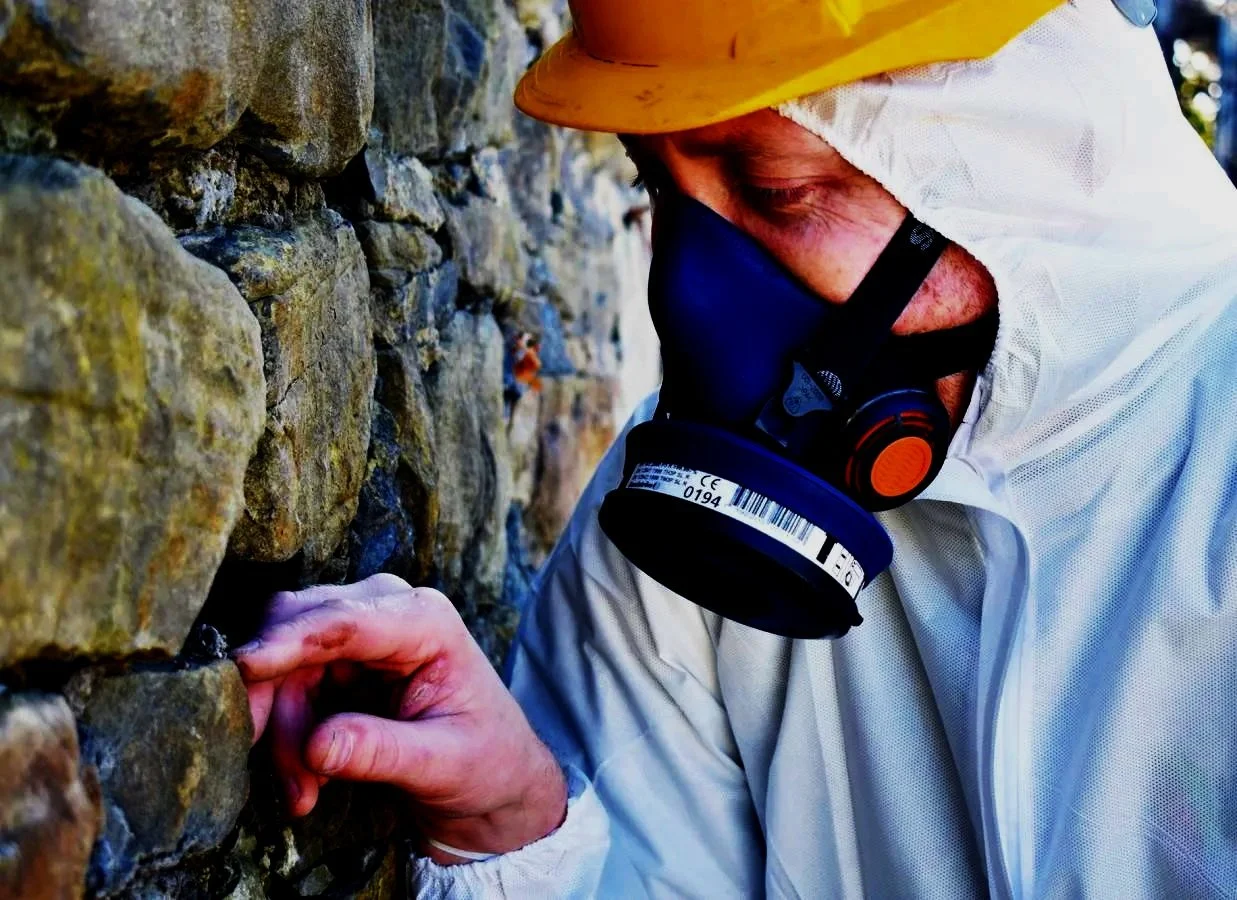
Asbestos Survey Cambridge
Asbestos surveys in Cambridge for occupied properties, laboratory and office alterations, accommodation upgrades and demolition. Agree the exact buildings, service routes, access permissions and investigation depth so the report supports the planned activity.
Four Cambridge asbestos survey routes with different levels of inspection
The decision the report must support determines the correct survey. Selecting the survey around normal occupation, intrusive alteration, demolition or ongoing condition monitoring prevents a report being used for a purpose it was not designed to cover.
Management Asbestos Survey
Identifies accessible known and presumed ACMs that could be disturbed during normal use, routine maintenance and other foreseeable activity, supporting the asbestos register and management plan.
Management Survey Cambridge →Refurbishment Asbestos Survey
Intrusive inspection targeted at the walls, floors, ceilings, partitions, services, plant and other building elements affected by a defined refurbishment or fit-out project.
Refurbishment Survey Cambridge →Demolition Asbestos Survey
Highly intrusive inspection across the defined demolition boundary before the structure is broken apart, including hidden materials where reasonably practicable.
Demolition Survey Cambridge →Asbestos Reinspection Survey
Reviews the condition, accessibility and vulnerability of ACMs already recorded in an asbestos register and updates management actions where necessary.
Reinspection Cambridge →UKAS-accredited inspection and testing, with the scope kept clear
Asbestos Surveying and Monitoring Ltd holds UKAS accreditation number 32982 for defined inspection activities to ISO/IEC 17020 and testing activities to ISO/IEC 17025. The current schedules define the accredited activities and locations. Bulk asbestos identification is undertaken at the Sunderland laboratory.
Accreditation applies to the organisation and its defined activities. Asbestos removal, preparation of management plans, watching briefs and soil remediation are not described as UKAS-accredited work.
UKAS inspection schedule · UKAS testing schedule · Sunderland laboratory and submission guidance
A Cambridge survey brief needs a clear route through the estate
Building codes and current room use
Supply the site’s room identifiers and current drawings, including renamed spaces and annexes. Match existing material records to those references before work packages are issued. A report should be usable by an external contractor who does not know the estate’s informal names or the history of its internal moves.
Plant connections beyond the fit-out
For a laboratory or office upgrade, include the route back to distribution points, ventilation plant and services where the work will disturb fabric. A survey limited to the refurbished room may leave necessary penetrations outside scope. Agree access and client preparation along the entire affected route.
An older home with later changes
For Cambridge domestic projects, explain extensions, converted rooms and the planned works rather than relying on the original construction date. Identify included lofts, garages and external components. The appropriate survey depth depends on the activity, with normal occupation and intrusive refurbishment requiring different evidence.
Which asbestos survey do you need in Cambridge?
Start with the property decision or construction activity. One site can require different survey types for different areas or project stages.
| Your situation | Most likely starting route | Why | Cambridge page |
|---|---|---|---|
| Occupied workplace, shop, school, hotel or communal residential area | Management Survey | Supports the asbestos register and ongoing control of normal occupation and foreseeable maintenance. | View route → |
| Office fit-out, flat refurbishment, M&E upgrade or structural alteration | Refurbishment Survey | The inspection must match the exact walls, floors, ceilings, services and other fabric being disturbed. | View route → |
| Full demolition, partial demolition or major soft strip | Demolition Survey | Hidden ACMs need to be investigated before demolition plant and operatives expose them. | View route → |
| Existing asbestos register needs condition updates | Reinspection Survey | Known and presumed ACMs are revisited rather than surveying the building from the beginning. | View route → |
| Only one or several specific materials need identifying | Targeted sampling | Sampling answers a specific material question but does not replace a systematic property or work-area survey. | Sampling Cambridge → |
| Acquiring a commercial property or portfolio | Survey review and due-diligence scope | Existing reports should be checked against present condition, intended use, planned works and uninspected areas. | Due diligence → |
A Management Survey is not automatically suitable for refurbishment
A Management Survey is designed around normal occupation and foreseeable maintenance. It should not be treated as clearance for intrusive work that opens walls, ceilings, floors, risers, service routes or other concealed construction.
UKAS-accredited asbestos inspection with the brief agreed before attendance
ASM holds UKAS accreditation number 32982 for defined asbestos inspection activities to ISO/IEC 17020. The current UKAS schedule defines the precise activities and locations within the accredited scope.
Where representative samples are required during a survey, bulk analysis is undertaken through ASM's UKAS-accredited Sunderland headquarters laboratory within its applicable ISO/IEC 17025 testing scope.
The survey brief should state why the survey is needed, which buildings and areas are included, what work is planned, how intrusive the inspection must be and what access or isolation will be available.
HSE HSG264 survey guidance ↗ · ASM UKAS inspection schedule ↗
Information to provide before the surveyor attends
- Full property or site address and postcode
- Building use, approximate age and construction type
- Reason for the survey and required report outcome
- Marked plans, room schedules or project drawings
- Exact refurbishment or demolition boundary
- Previous asbestos surveys, registers and removal records
- Access to roofs, basements, risers, plant, voids and locked areas
- Occupied areas, tenant liaison and restricted working hours
- Security, induction, permit and escort requirements
- Required attendance and report dates
Management Asbestos Survey Cambridge
A Management Survey identifies accessible known and presumed asbestos-containing materials that could be damaged or disturbed during normal occupation, routine maintenance and other foreseeable activity.
For relevant non-domestic premises and communal parts of multi-occupancy domestic buildings, the findings can support the asbestos register and the wider Regulation 4 management system.
The survey is an evidence source. It is not the complete management plan and it is not automatically suitable for intrusive refurbishment.
Common Cambridge Management Survey instructions
- Offices, shops and mixed-use commercial buildings
- Hotels, leisure and hospitality premises
- Schools, universities and public buildings
- Healthcare and care-sector premises
- Warehouses, workshops and industrial property
- Communal areas of blocks and converted residential buildings
- Landlord-controlled basements, risers and plant spaces
- Facilities-management and maintenance programmes
- Commercial property and multi-site portfolios
Typical Cambridge refurbishment scopes
- Office, retail and hospitality fit-outs
- Flat, maisonette and converted-property refurbishment
- Kitchen and bathroom replacement
- Heating, ventilation and electrical upgrades
- Raised-floor and suspended-ceiling work
- Partition, wall-lining and riser alterations
- Window, door and façade works
- Roof, plant and service replacement
- Structural alterations and extensions
- Phased school, university or healthcare upgrades
Refurbishment Asbestos Survey Cambridge
A Refurbishment Survey is designed around the exact work area and building elements that will be disturbed. It can require destructive access to concealed materials within walls, floors, ceilings, boxing, risers, service routes and plant interfaces.
Drawings, specifications and a marked survey boundary help ensure the inspection covers the intended design rather than relying on a generic property-wide description.
The affected area should be suitably controlled for the intrusive survey, and making-safe or reinstatement arrangements should be agreed before attendance.
Demolition Asbestos Survey Cambridge
A Demolition Survey is a highly intrusive inspection for the full or partial demolition boundary. It is designed to locate ACMs, including hidden materials where reasonably practicable, before demolition activity exposes them.
The client should define what will be demolished, what will be retained, the soft-strip sequence, services and isolations, structural information and any below-ground interfaces.
Building-survey information does not automatically address asbestos in made ground. Former industrial or demolition sites may require a separate contaminated-land assessment.
Common Cambridge demolition instructions
- Full building demolition
- Partial demolition and retained façades
- Major internal soft strip
- Estate regeneration and housing redevelopment
- Former warehouses and industrial buildings
- Commercial redevelopment and change of use
- Basement and structural alteration projects
- Demolition around neighbouring occupation
- Brownfield and Thames-side redevelopment
A reinspection can update
- Visible condition and deterioration
- Evidence of damage or disturbance
- Accessibility and vulnerability
- Room-use and maintenance changes
- Risk priorities and recommended actions
- Register notes, photographs and status
- Repair, protection or removal requirements
- Future condition-monitoring priorities
Asbestos Reinspection Survey Cambridge
A reinspection revisits known or presumed ACMs already recorded in an asbestos register. It checks whether condition, accessibility, vulnerability or building use has changed and whether management actions need updating.
The management plan should be reviewed regularly and updated sooner after removal, repair, accidental disturbance, new survey information or changes to the building. Individual ACM monitoring frequency should reflect actual risk rather than one automatic interval for every material.
Choose the service that answers the actual asbestos question
Sampling, laboratory testing and surveying are connected but different services. Selecting the correct route avoids paying for information that does not answer the property or project question.
Professional asbestos sampling
A competent person visits the Cambridge property, selects a representative sample, records its location and submits it for laboratory analysis.
Bulk laboratory testing
Laboratory analysis answers whether asbestos is detected in the accepted sample. It does not establish what may be present elsewhere in the room or building.
Asbestos survey
A systematic inspection records known and presumed ACMs across a defined building, area or project scope, including limitations and recommendations.
Domestic asbestos surveys in Cambridge
Homeowners, buyers, landlords and project teams commonly request a survey or targeted sampling before purchasing, renovating or disturbing suspect materials in Cambridge homes.
A targeted survey can provide information about suspected ACMs in a house or flat. The scope should be agreed around the decision and should not be presented as a structural building survey.
Kitchen, bathroom, heating, electrical, flooring, ceiling and structural work can disturb hidden materials. The survey should match the exact elements being removed or altered.
Where the question is limited to one ceiling coating, floor tile, board, pipe boxing or garage roof sheet, professional sampling may be more proportionate than a whole-property survey.
Duty-to-manage boundaries in residential buildings
Regulation 4 does not apply to the private domestic interior of an owner-occupied home in the same way as non-domestic premises. It can apply to common parts of multi-occupancy domestic buildings, such as communal corridors, stairs, basements, risers and plant areas where responsibility for maintenance or repair exists.
Asbestos surveys for Cambridge blocks, communal areas and managed portfolios
Cambridge property management often involves complex responsibility boundaries between freeholders, managing agents, commercial occupiers, leaseholders and maintenance providers. The survey brief should define the areas controlled by the instructing dutyholder.
Corridors, stairs, lobbies, basements, roof voids, plant rooms, service risers, bin stores, external elements and shared garages can require Management Survey information.
Communal rewiring, heating replacement, fire-safety work, window programmes, roofing, lift upgrades and refurbishment can require project-specific intrusive survey information.
Consistent asset names, room references, plans, risk categories and update procedures make survey information easier to use across a large Cambridge housing or commercial portfolio.
Asbestos surveys for landlords → · Do I need an asbestos survey for my block of flats? →
Cambridge asbestos surveys for operational buildings and major projects
ASM supports dutyholders, property owners, consultants, construction teams and facilities managers across a broad range of Cambridge property sectors.
Management surveys, tenant fit-outs, M&E works, raised floors, suspended ceilings, risers and plant.
Shops, restaurants, hotels, leisure venues, theatres and occupied refurbishment programmes.
Schools, universities, clinics, hospitals, care premises and multi-building estates.
Warehouses, workshops, depots, older plant, service buildings and former industrial property.
Communal areas, voids, planned works, reinspection programmes and portfolio reporting.
Pre-refurbishment, pre-demolition, soft-strip, redevelopment and pre-construction information.
Local-authority property, community buildings, religious premises and operational public estates.
Reviewing existing asbestos information against present condition, planned works and portfolio risk.
Asbestos survey information for Cambridge property due diligence
Existing reports should be reviewed against the current property, transaction timetable, intended use, planned capital works and known limitations. A historic Management Survey may remain useful for occupation but still be inadequate for a major refurbishment, redevelopment or demolition strategy.
Review existing evidence
Check dates, scope, inspected areas, presumptions, sample data, plans, limitations, reinspection status and removal records.
Compare with the business plan
Assess whether the available information supports occupation, maintenance, fit-out, redevelopment or demolition.
Close material information gaps
Define additional survey, sampling, access or intrusive investigation before exchange, completion or project mobilisation.
What should a Cambridge asbestos survey report contain?
The report should be clear enough for the client, facilities team, designer or contractor to understand what was inspected, what was found, what remains uncertain and what needs to happen next.
Site, buildings, areas, survey type, instructed purpose and agreed exclusions.
Known, presumed and strongly presumed ACMs with clear locations and material descriptions.
Traceable sample identifiers and laboratory results where representative analysis was required.
Visual references and marked drawings where included within the agreed scope.
Condition and relevant material-risk information for Management Survey findings.
Areas not inspected, reasons, implications and any need for further access or presumption.
Management, labelling, protection, repair, further survey, reinspection or removal actions as applicable.
Usable location and status information that can feed into the live asbestos register.
Clear statements about what the report can and cannot be relied upon to support.
From Cambridge enquiry to an actionable asbestos report
Confirm occupation, maintenance, refurbishment, demolition, reinspection or acquisition requirements.
Set buildings, rooms, work areas, access, intrusion, existing information, limitations and programme.
Complete the planned inspection and arrange representative bulk analysis where required.
Use the findings for management, tendering, design, removal, further access or project release.
What happens after an asbestos survey in Cambridge?
Finding asbestos does not automatically mean it must be removed. Condition, accessibility, building use and future disturbance determine the appropriate next action.
Update the register and management plan, define responsibilities, communicate information and monitor condition where the ACM can remain safely managed.
Price the actual material, extent, access and project interface. Removal may be licensed, notifiable non-licensed or non-licensed depending on the work.
Air monitoring or four-stage clearance may be required for defined removal work, enclosures, reassurance questions or unexpected disturbance.
Unexpected suspect asbestos disturbed during work?
Stop the activity, prevent further disturbance and keep people away where reasonably practicable. Do not sweep or use a domestic vacuum. The source material, debris, affected area and need for competent assessment should be addressed before relying on an air test alone.
Read the report against the agreed brief
Confirm the deliverables when agreeing the commission, then review the information against the actual property or work scope.
- Check the inspected building and work-area boundary, survey type and dates.
- Locate each finding using the room reference, photograph, plan and sample identification.
- Distinguish confirmed asbestos, presumed materials, non-asbestos results and inaccessible areas.
- Review the material assessments, recommendations and any further access needed before maintenance or construction.
If a location, quantity or assumption is unclear, resolve it before the relevant maintenance or construction stage. Keep reports and completion evidence together so the next contractor can understand what was assessed, what changed and what still needs attention.
Prepare a Cambridge survey scope that follows the work
- Building codes, current room numbers and annexes.
- Complete work routes, penetrations and retained interfaces.
- Client hazard clearance, isolations and access arrangements.
- Required plans, material identifiers and report recipients.
Cost and programme follow the agreed survey scope
For budgeting, use the Cambridge asbestos survey cost guide and its clearly labelled national reference figures. The final quotation depends on the number of buildings and rooms, required intrusion, sampling, safe access, occupation and report requirements.
Tell ASM about a purchase deadline, contractor start date or phased project before booking. Agree site attendance and report delivery separately, together with what happens if access is unavailable or the work boundary changes. Removal, analytical attendance and reinstatement are separate services unless the quotation expressly includes them.
Cambridge city and surrounding-area enquiries
Discuss projects in central Cambridge, Chesterton, Arbury, King’s Hedges, Newnham, Romsey, Cherry Hinton and Trumpington. For surrounding locations such as Histon, Impington, Milton, Girton, Fulbourn, Great Shelford, Sawston and Waterbeach, provide the exact postcode and service required. Attendance is confirmed against scope, access and programme. A Cambridge postal address does not necessarily place a site within the city boundary.
Arrange your Cambridge enquiry
Call 0330 433 9680 or email survey@asbestosSM.co.uk with the building details and intended work. Cambridge is a service area, with appointments coordinated through ASM’s published contacts rather than an advertised staffed local branch.
Bulk analysis at Sunderland
ASM’s laboratory is at 9 Defender Court, Sunderland Enterprise Park, Sunderland, SR5 3PE. Call 0191 481 2231 or see the Sunderland laboratory information to agree submission. No Cambridge public sample counter or ASM walk-in laboratory is advertised here.
For coordinated property or estate programmes, see ASM corporate asbestos services.
Related Cambridge services and practical guidance
Management surveys
Management asbestos surveys for Cambridge workplaces, estates and relevant residential common parts.
Refurbishment surveys
Refurbishment asbestos surveys for Cambridge fit-outs, building upgrades and home alterations.
Demolition surveys
Demolition asbestos surveys for Cambridge projects involving whole structures or selected buildings within a retained estate.
Reinspection
Asbestos reinspection for Cambridge property managers and dutyholders.
Survey costs
Cambridge asbestos survey cost guidance using ASM’s national budget figures.
Sampling
Professional asbestos sampling in Cambridge for defined suspect materials, with bulk analysis through ASM’s Sunderland laboratory.
Further reading
For wider scope and national guidance, see ASM asbestos surveys across the UK.
For development affecting historic fabric, consult Greater Cambridge Shared Planning’s conservation-area information alongside the project’s permission and access arrangements.
Asbestos Survey Cambridge FAQs
Which asbestos survey do I need in Cambridge?
Use a Management Survey for normal occupation and foreseeable maintenance, a Refurbishment Survey for intrusive alteration, a Demolition Survey for full or partial demolition, and a Reinspection Survey where known or presumed ACMs already recorded in a register need condition review.
Are ASM Cambridge asbestos surveys UKAS accredited?
ASM holds UKAS accreditation number 32982 for defined asbestos inspection activities to ISO/IEC 17020. The current UKAS schedule defines the precise accredited scope and locations.
Is asbestos sampling the same as an asbestos survey?
No. Sampling answers a specific material question. A survey systematically inspects a defined property or work area, records known and presumed ACMs, identifies limitations and provides wider recommendations.
Can a Management Survey be used before refurbishment?
Not automatically. Intrusive refurbishment can require investigation of concealed materials within the exact building fabric being disturbed, which a routine Management Survey was not designed to provide.
Do I need an asbestos survey before demolition in Cambridge?
A suitably intrusive Demolition Survey is required for the defined full or partial demolition boundary where asbestos could be present. It is designed to identify hidden ACMs before structural demolition exposes them.
Can ASM survey flats and converted buildings?
Yes. The scope should distinguish private flats, communal areas, landlord-controlled service spaces and the specific areas affected by planned work. A communal-area survey does not automatically cover every private dwelling.
Does finding asbestos mean it must be removed?
No. Depending on condition, accessibility and future disturbance, an ACM may be managed, protected, repaired, encapsulated or removed. The appropriate action should reflect the actual material and building use.
What happens if an area cannot be accessed?
The restriction and its implications should be recorded clearly. Uninspected areas may need to be presumed to contain asbestos until suitable access or further investigation is arranged. Restrictions can prevent a report being suitable for planned intrusive work.
How often should known asbestos be reinspected?
The monitoring frequency should reflect condition, accessibility, vulnerability and likelihood of disturbance. The wider management plan should be reviewed regularly and updated sooner after material changes, removal, repair, disturbance or new information.
Can ASM help if asbestos is found?
Yes. ASM can support asbestos management, sampling, project-specific removal, air monitoring and four-stage clearance where applicable. The required next step depends on the material, condition and planned work.
What should I send for a fixed Cambridge survey quote?
Send the full address, property type, reason for the survey, approximate size, plans or photographs, exact planned work, existing asbestos information, access restrictions and required attendance and report dates.
Does an old Cambridge building automatically contain asbestos?
No. Age and appearance do not confirm asbestos. Later alterations can introduce suspect materials into much older buildings, so inspection and representative analysis are used where required.
Should a laboratory survey include services outside the main room?
Where the proposed works disturb them, include the complete routes and affected spaces in the scope. Arrange the necessary access and client controls before relying on the report for installation.
Can an old campus room number cause problems with a survey report?
Yes if the location cannot be reliably matched to the current building. Supply a cross-reference and current plans so findings, restrictions and work instructions point to the same physical material.
Can I enquire about a site outside Cambridge city?
Yes. Send the address and service required for a surrounding location such as Histon, Impington, Milton, Girton, Fulbourn, Great Shelford, Sawston or Waterbeach. Attendance depends on scope, access and programme. Use the exact site address to identify the relevant authority and permissions.
Discuss your Cambridge project with ASM
Send the postcode, property details, existing asbestos information, photographs and planned work. We will confirm the appropriate service, access requirements and written quotation.