Manchester demolition surveys • Full work-boundary investigation
Demolition asbestos surveys in Manchester
Thorough intrusive inspection of the demolition area, coordinated with vacancy, isolation, structural access, soft strip, asbestos removal, below-ground risks and the demolition programme.
The demolition boundary must be explicit. Partial demolition, facade retention, party walls, linked structures, below-ground services and retained plant all change what must be inspected and what can safely be opened.
Locate asbestos before demolition methods make it inaccessible or airborne
A demolition survey is designed to locate asbestos-containing materials throughout the defined demolition area so far as reasonably practicable. It is highly intrusive and normally undertaken in a vacant, isolated and controlled building.
Full demolition
Whole-building inspection including hidden construction, plant, service routes, cavities, roofs, floors and below-ground structures relevant to demolition.
Partial demolition
Defined demolition and retained areas, structural interfaces, party walls, roof junctions and services must be mapped precisely.
Soft strip and deconstruction
The survey must reflect the sequence and depth of strip-out. A project called “soft strip” can still disturb hidden fire protection, boards and insulation.
Do not use a management survey as a pre-demolition clearance document. It was not designed for the same level of intrusion. The demolition team needs project-specific information before structural or mechanical work starts.
Information required before intrusive attendance
- Red-line demolition and retained-structure drawings
- Demolition, soft-strip and temporary-works sequence
- Structural drawings and construction information
- Previous surveys, registers, samples and removal records
- Mechanical, electrical, process and underground services
- Isolation certificates and live-service boundaries
- Access plant, opening-up and making-safe responsibilities
- Site security, occupancy and neighbouring receptors
- Below-ground rooms, ducts, tanks and service trenches
- Tender, removal and demolition programme dates
Buildings where demolition surveys need careful planning
Former mills and warehouses
Multiple build phases, fire protection, redundant plant, ducts, shafts and residues can be hidden behind later conversions and repairs.
Industrial and utility property
Trafford Park factories, substations, depots, boiler houses and process buildings may include pipe insulation, gaskets, equipment and contaminated surfaces.
Tower blocks and managed estates
Repetitive construction does not guarantee identical materials. Risers, service cupboards, fire breaks and past refurbishment vary by floor and phase.
Schools and public buildings
Historic extensions, plant, staged vacancy and tight programmes require an agreed strategy that does not leave uninspected live areas in the demolition path.
City-centre retained facades
Party walls, neighbouring occupation, facade retention and shared services affect safe access and the boundary between demolition and retained structures.
Brownfield redevelopment
Demolition debris, buried foundations, ducts and service corridors can connect the building survey with an asbestos-in-soil and materials-management strategy.
Manchester soil supportCoordinate intrusion with a safe, vacant work area
- 1
Plan
Review demolition information, existing asbestos data, construction, services, access, structural risks and required resources.
- 2
Make safe
Confirm vacancy, isolation, permits, exclusion, temporary works and responsibility for destructive opening-up.
- 3
Inspect
Systematically access hidden fabric, plant, voids and below-ground areas within the demolition boundary and sample as required.
- 4
Integrate
Use the report to plan removal, analytical attendance, waste, demolition sequencing, residual risks and further access.
Translate findings into packages and hold points
Asbestos removal scope
Separate material types, locations, quantities and legal work categories and define access, enclosure, waste and reinstatement interfaces.
Manchester removal supportAnalytical support
Plan background, leak, personal or clearance monitoring and four-stage clearance for relevant licensed work while preserving analyst independence.
Manchester air monitoringDemolition hold points
Do not release areas where survey restrictions, inaccessible voids, retained services, below-ground structures or post-removal residuals remain unresolved.
Removal before demolition: asbestos-containing materials should be removed so far as reasonably practicable before major demolition, except where removal would create a greater risk. The survey and removal plan should support that decision explicitly.
Resolve survey restrictions before mechanical demolition
- Restricted locations are shown on plans
- Reason and consequence are stated clearly
- Further access or presumed-asbestos controls are assigned
- Demolition method avoids unreleased areas
- Newly exposed materials trigger a stop and assessment
- Survey and removal information reaches the demolition team
- Below-ground uncertainty is carried into the ground-risk plan
- Final pre-start review confirms all hold points are closed
Hidden materials must be addressed before demolition
Demolition surveying is intrusive by design and must cover the full work boundary, subject to recorded access and safety restrictions.
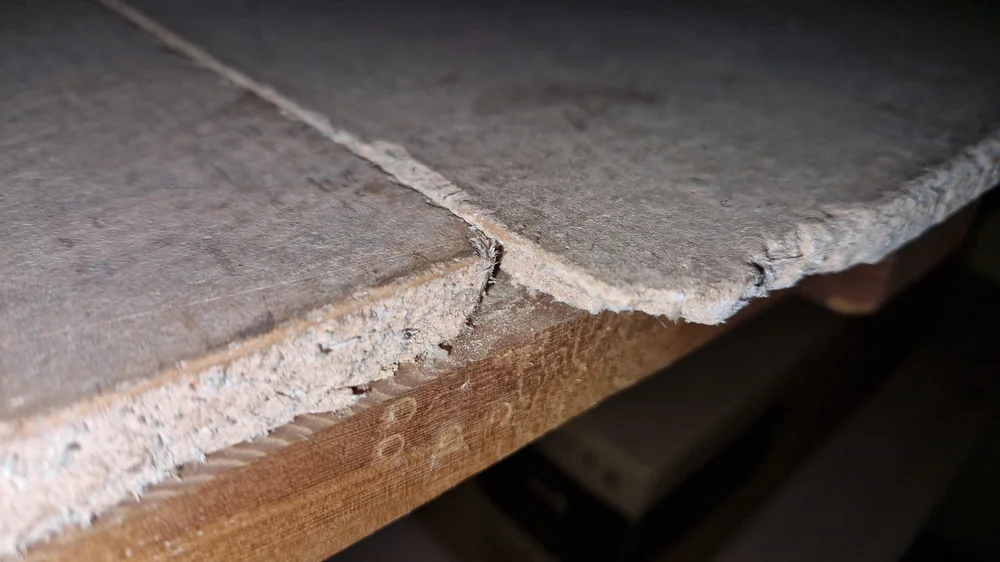
Pre-demolition surveying for Manchester redevelopment
ASM supports former mills and textile buildings, Ancoats warehouses, Trafford Park industrial property, city-centre redevelopment, tower blocks, schools and public buildings, transport and utility property, and brownfield sites across Greater Manchester.
Manchester Office
Asbestos Surveying and Monitoring Ltd
First Floor, Swan Buildings
20 Swan Street
Manchester
M4 5JW
0161 509 6030
survey@asbestosSM.co.uk
Monday–Friday, 08:00–18:00
The Manchester office supports local delivery. ASM’s UKAS-accredited bulk-analysis laboratory is at Sunderland Head Office; there is no ASM laboratory in Manchester.
Continue with the right Manchester service
Manchester demolition survey FAQs
When is a demolition asbestos survey required?
It is required before full or partial demolition where asbestos may be present and the existing information is not sufficiently thorough for the defined demolition area and method.
Can a management survey be used for demolition?
No. A management survey has a different purpose and level of intrusion. A demolition survey must locate asbestos throughout the demolition area so far as reasonably practicable.
Must the building be empty?
A demolition survey is highly intrusive, so the area should normally be vacant, isolated and controlled. Structural, electrical, mechanical and other hazards must be addressed before destructive access.
What is the difference between a refurbishment and demolition survey?
A refurbishment survey targets the fabric affected by a defined alteration. A demolition survey is more extensive and covers all of the full or partial demolition area.
Does a soft-strip project need a demolition survey?
The required survey depends on the true depth and purpose of the work. Deep strip-out or work forming part of demolition may require demolition-level information; the label “soft strip” does not decide the scope.
What happens if an area cannot be surveyed?
The restriction must be shown and managed as a hold point. Further access, redesign or presumed-asbestos controls are needed before demolition reaches the area.
Should asbestos be removed before demolition?
Asbestos-containing materials should be removed so far as reasonably practicable before major demolition, except where removal would create a greater risk. The project plan should document the decision.
What should I send for a demolition survey quote?
Send demolition and retained-structure drawings, structural and service information, soft-strip sequence, existing asbestos records, isolation and access arrangements, site constraints and programme dates.
Define the demolition boundary before pricing the survey
Send the demolition drawings, retained elements, service information, soft-strip sequence, previous reports, access and isolation plan, and programme.
Need one of our other asbestos services in Manchester today?